Defence Operations Center: Reliable oversight for military control rooms

In defence environments, operations centers, military control rooms and command centers are indispensable for safety-critical operations. Coordinating operational units, processing complex situational information and directing missions require stable workflows and rapid response times.

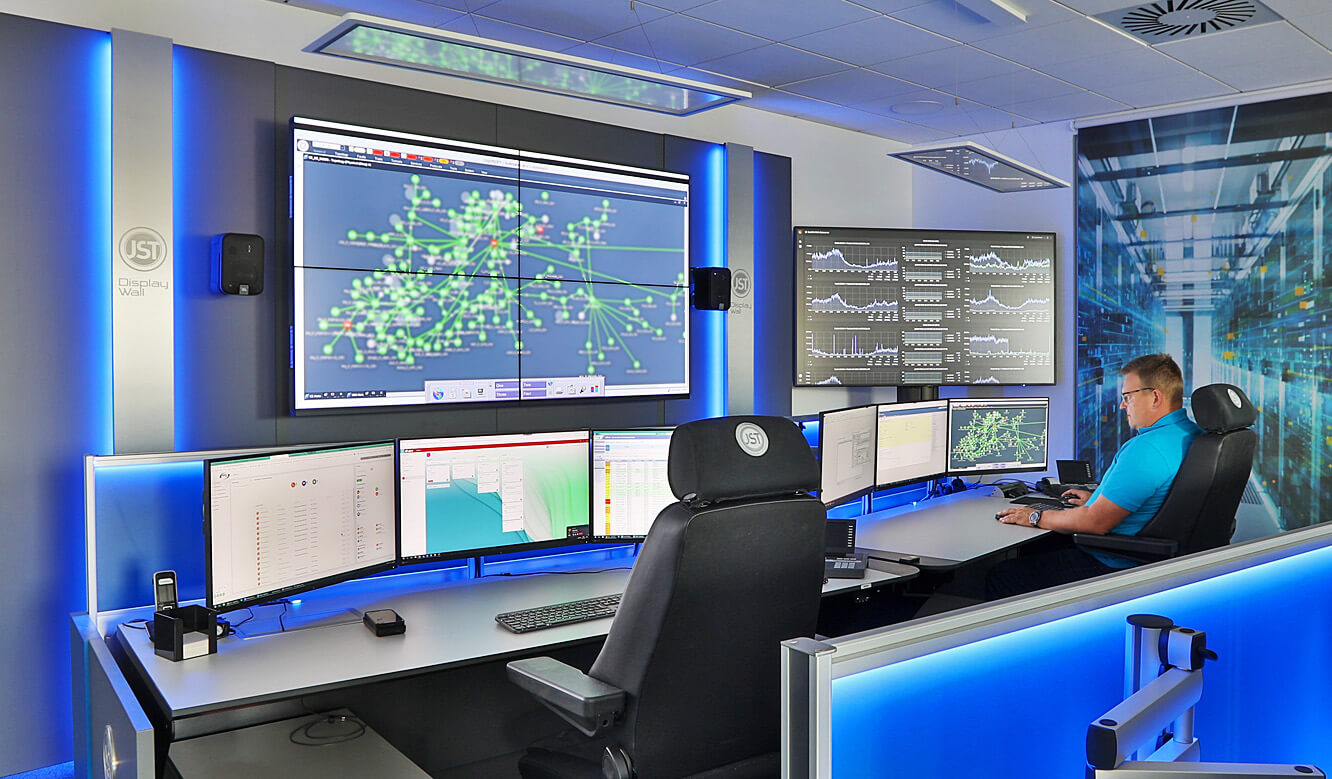
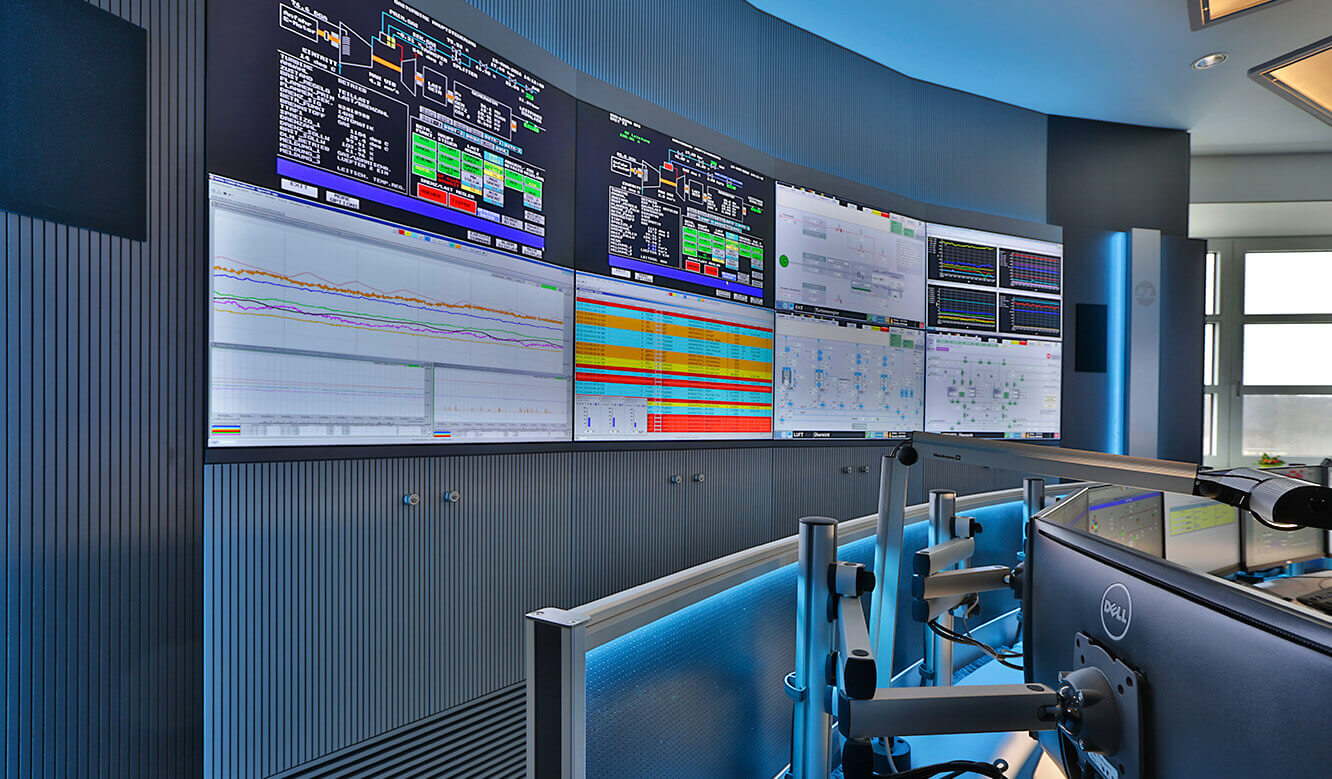
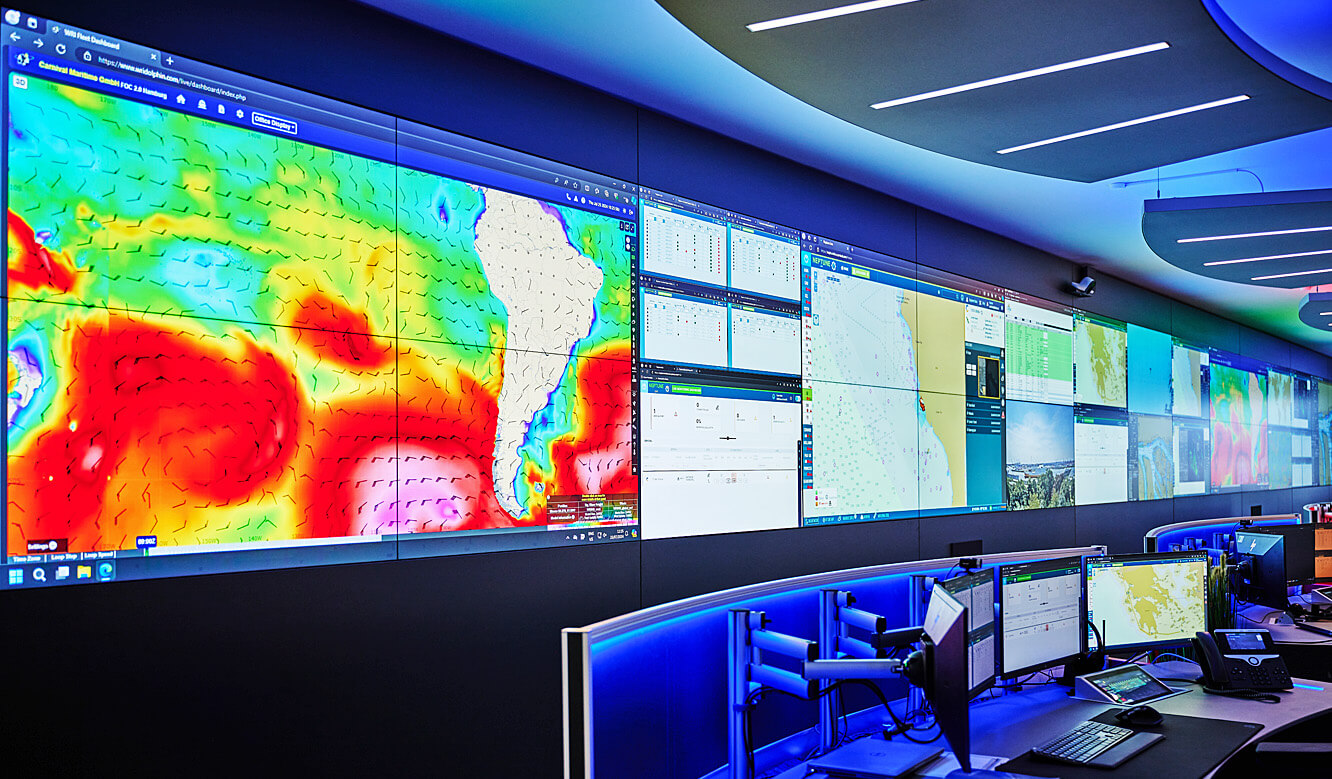
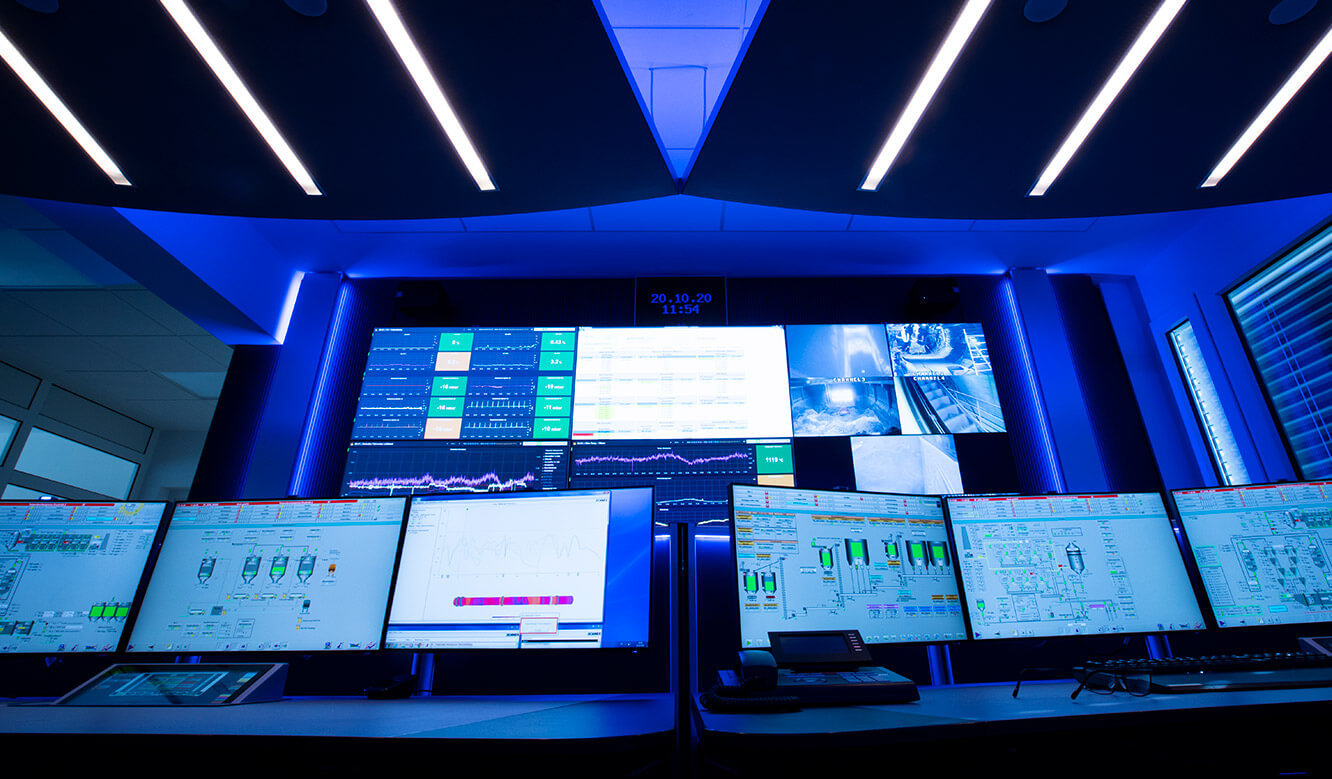
Bespoke defence control rooms from Jungmann Systemtechnik ensure the seamless interaction of visualisation, monitoring, information processing and secure system integration. Modern command and control centers consolidate information efficiently and provide the foundation for sound decision-making in safety- and time-critical operational scenarios.

Find out more
INNOVATIVE RELIABLE PRECISE
IT-Infrastruktur im Defence-Leitstand

Planning lays the foundations for the Command and Control Center

Precise gap and risk analysis

In mission-critical environments, unclear workflows, limited visibility of relevant information and systems that are not properly integrated can quickly become a serious risk. In defence settings in particular, operations centers must be designed from the outset so that every component – from monitoring technology to redundancy systems – works together seamlessly. JST analyses existing structures in military command centers and situation rooms in detail, allowing concepts to be refined before implementation begins. This enables us to establish the basis for a resilient, future-ready control room design during the planning phase.

Planning and realistic simulation

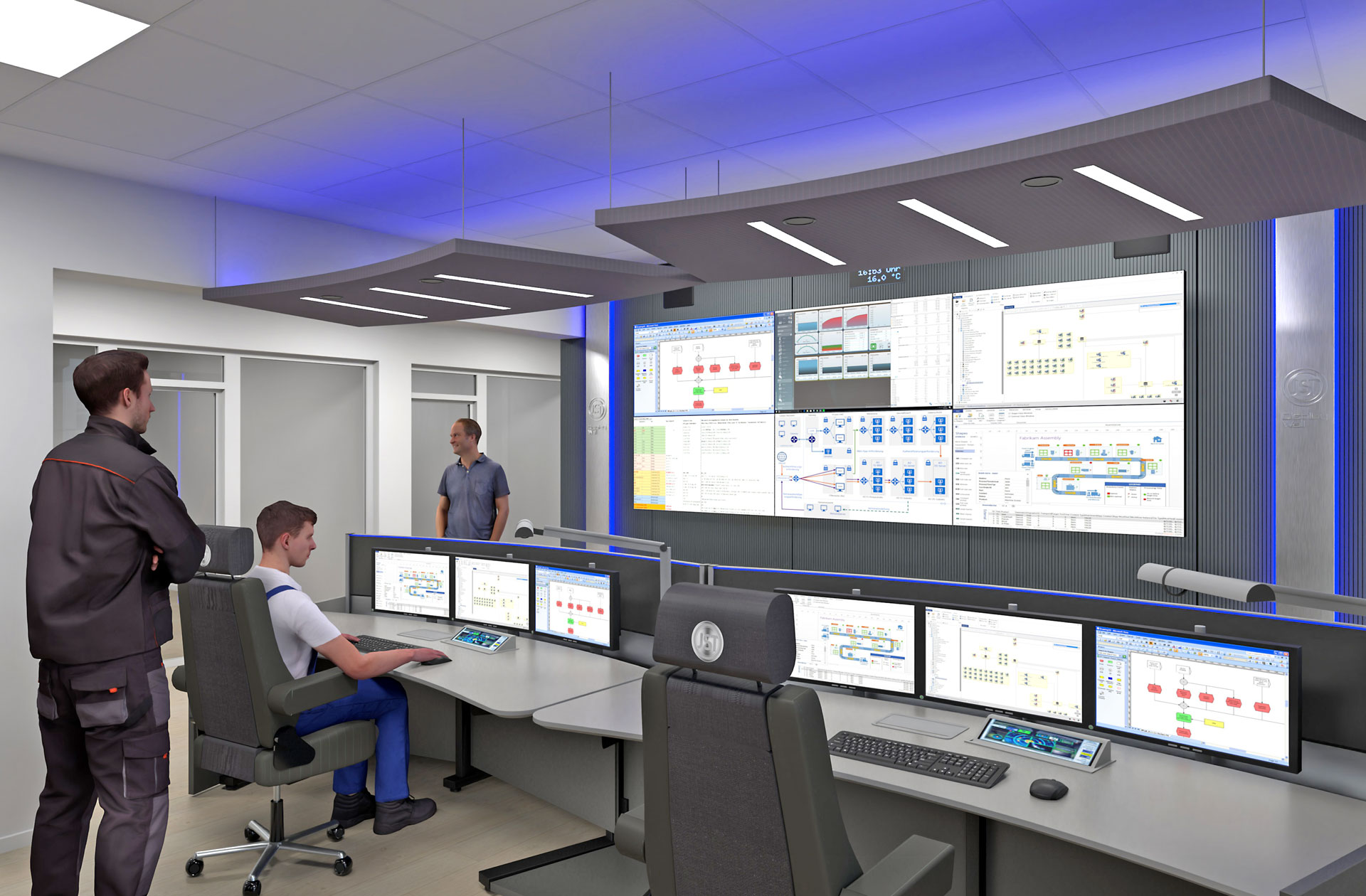
Our analysis forms the basis for bespoke control room solutions that fully reflect functionality, ergonomics and technical integration. Using 3D visualisations, we create realistic models of room layouts, display walls and operator workstations, allowing concepts to be refined at an early stage. This means that every element within the command center can be aligned precisely before implementation begins.

Successful transformation

A structured planning process creates transparency and confidence for everyone involved in the project. Decisions are made on a sound basis, adjustments are introduced early, and implementation risks are reduced to a minimum. The result is high-performance operations centers that support workflows efficiently, improve responsiveness and meet the requirements of modern command and control environments.

3D Planung von Kontrollräumen 3D Planung von Kontrollräumen

3D visualisation and real-world implementation: for a defence operations center, there is no margin for error during the planning phase. Real-time monitoring and fault tolerance are fundamental requirements for a military 24/7 control room designed for high availability. They depend on a robust overall concept that brings together technical requirements, ergonomic considerations and operational workflows in the best possible way.

Have you identified potential weak points?

Key requirements for military control rooms – look at the checklist now

Real-time situational awareness – all data and systems are visualised centrally

Secure system integration – seamless connectivity across all operational structures

High availability in the operations center – redundancy for critical 24/7 operations

Ergonomic operator workstations – enhanced visibility and intuitive usability

Command & Control processes – clear prioritisation for faster response times

End-to-end solutions – modern
Command and Control Center

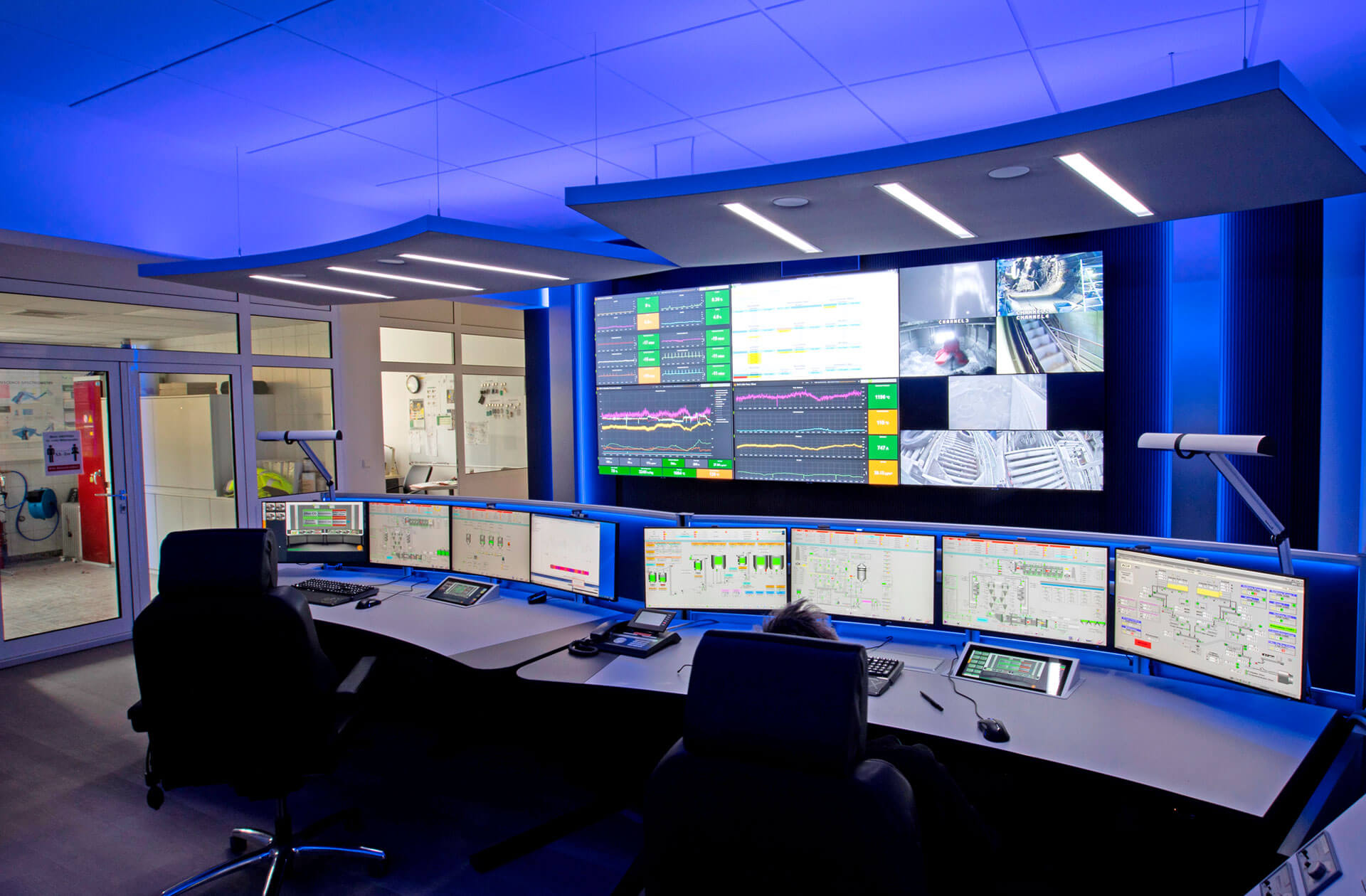
Delivering high-performance command and control centers in defence environments requires precise coordination across all components. JST delivers control room solutions as turnkey projects, acting as the lead control room system integrator from initial analysis and engineering through to full implementation. Video walls, operator workstations and software – along with crisis management systems – are developed as part of a fully integrated approach and seamlessly aligned with one another. The result is a cohesive environment with a consistent system architecture, ensuring reliable information availability and stable operational processes. This end-to-end approach reduces interface complexity within military infrastructures and significantly enhances operational reliability.

Moderne Command and Control Center

Implement complex
defence projects?

Request a consultation

Ergonomics and performance in
military control rooms

Working in operations centers within defence environments demands sustained focus, rapid response and reliable information processing. Ergonomically designed control room workstations are therefore a key factor in ensuring dependable operations and efficient decision-making within military command structures. JST develops workstation solutions that seamlessly integrate visualisation, usability and system architecture. This reduces operator strain, shortens response times and enhances clarity when handling complex situational data. In dynamic operational environments – such as air defence centers and comparable air operations centers – this approach directly supports operator performance and contributes to the stability of tactical decision-making.

Ergonomie & Leistungsfähigkeit im militärischen Leitstand

Improve ergonomics
for Command Centers

Request a consultation

Stable IT infrastructure for the defence control center

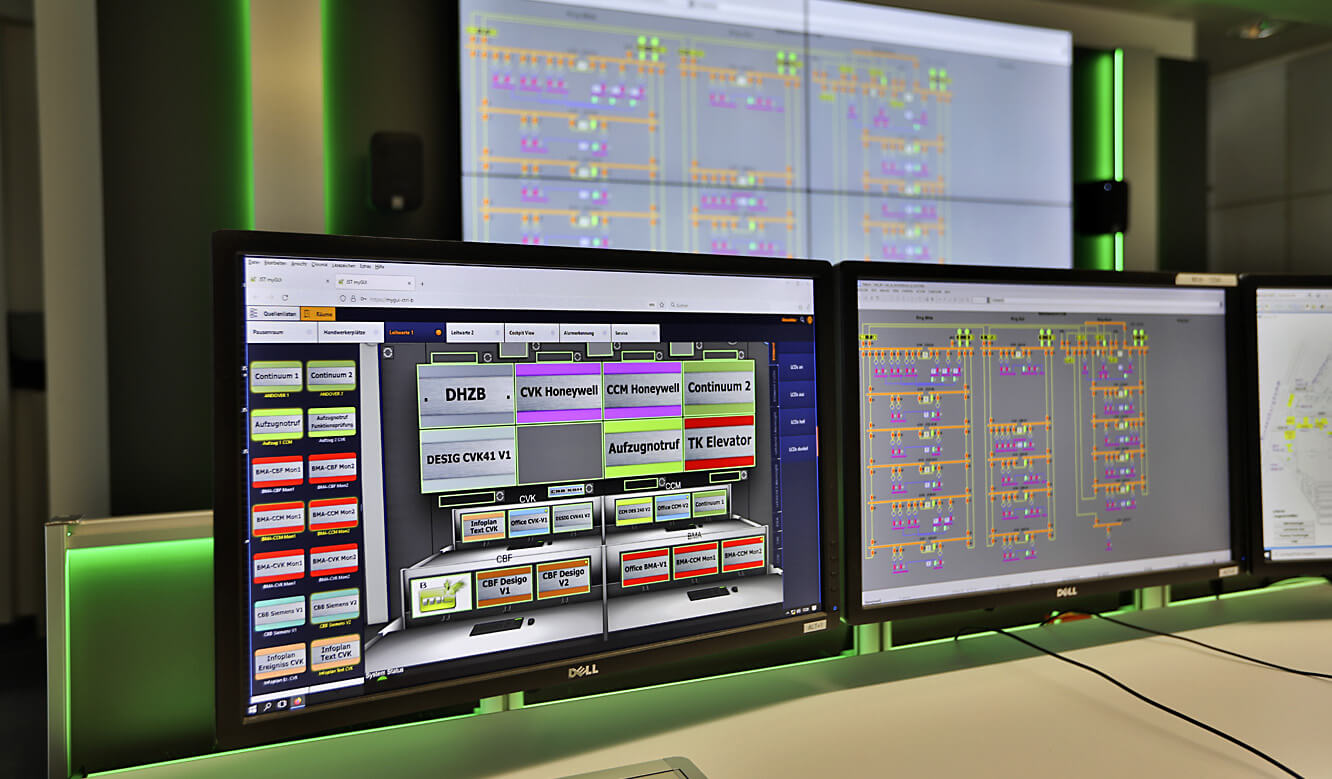
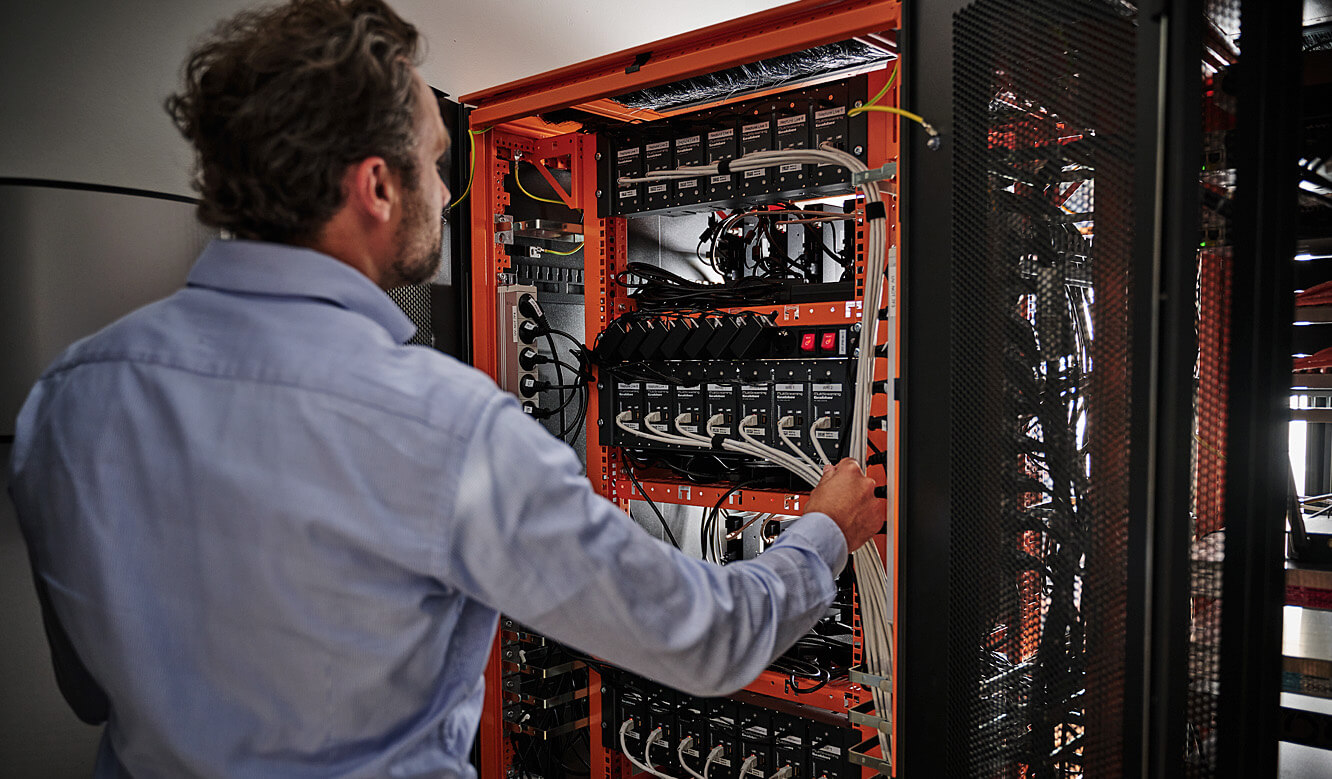
Safety-critical control rooms and military situation centers rely on high-performance IT infrastructures. Whether in SOCs, NOCs or interconnected command and control environments, reliable information processing and data security within the control room are essential for defence operations. JST integrates systems, applications and data sources – including network integration – into a unified architecture designed to meet the highest standards of availability and security. With the intuitive myGUI® user interface, relevant information is consolidated into a clear, continuous situational picture – both in live operations and in training and tactical simulation scenarios. The result: rapid response to critical incidents and confident handling of complex crisis situations.

IT-Infrastruktur im Defence-Leitstand

myGUI® provides a consistent overview

Request a consultation

KVM systems enable reliable access in military control rooms

Military control rooms and tactical situation centers require reliable access to distributed systems and data sources. Operators must be able to manage mission-critical applications quickly and directly. KVM solutions enable centralised control and monitoring of complex IT and operational infrastructures, eliminating the need for physical hardware at the workstation. With JST MultiStreaming® as a KVM-over-IP solution and MultiConsoling® as a hardware-based architecture, these requirements are met with maximum flexibility. The benefits include built-in control room redundancy, high availability and efficiently designed operator workstations. At the same time, full control over all sources is maintained – even in dynamic operational and crisis scenarios.

How to stay in control during a crisis

Request a consultation

Video walls for clear situational awareness in Command & Control

The visualisation of complex information is a key factor in military simulation control rooms and command environments. Display systems and video walls present distributed data sources in a structured way, creating a consistent situational picture. Whether for real-time monitoring, tactical simulation or training, relevant information is consolidated and clearly displayed.

JST integrates large-scale display technology seamlessly into IT and control room solutions within military environments. This enables simulation data to be visualised effectively, while content can be flexibly adapted and prioritised. As a result, operational teams can respond rapidly to critical events and significantly improve coordination in mission-critical scenarios.

Großbildtechnik für Lagebilder im Command & Control

How to ensure clear operational visibility

Request a consultation

Remote access: the answer to
distributed structures

Global deployment scenarios require location-independent access to systems and data. Military control rooms and command and control centers must consolidate information from multiple sources in real time. Remote access enables continuous monitoring and control across long distances – while meeting the highest standards of information security and availability.

JST KVM systems provide the technological foundation for this. With geo-redundancy, stable transmission quality and minimal latency, they create high-performance infrastructures for 24/7 operations. JST MultiStreaming® connects remote systems via IP networks, enabling secure, fast and location-independent access to distributed data sources.

How to use geo-redundancy

Request a consultation

Interactive situation table for teamwork, training, simulation

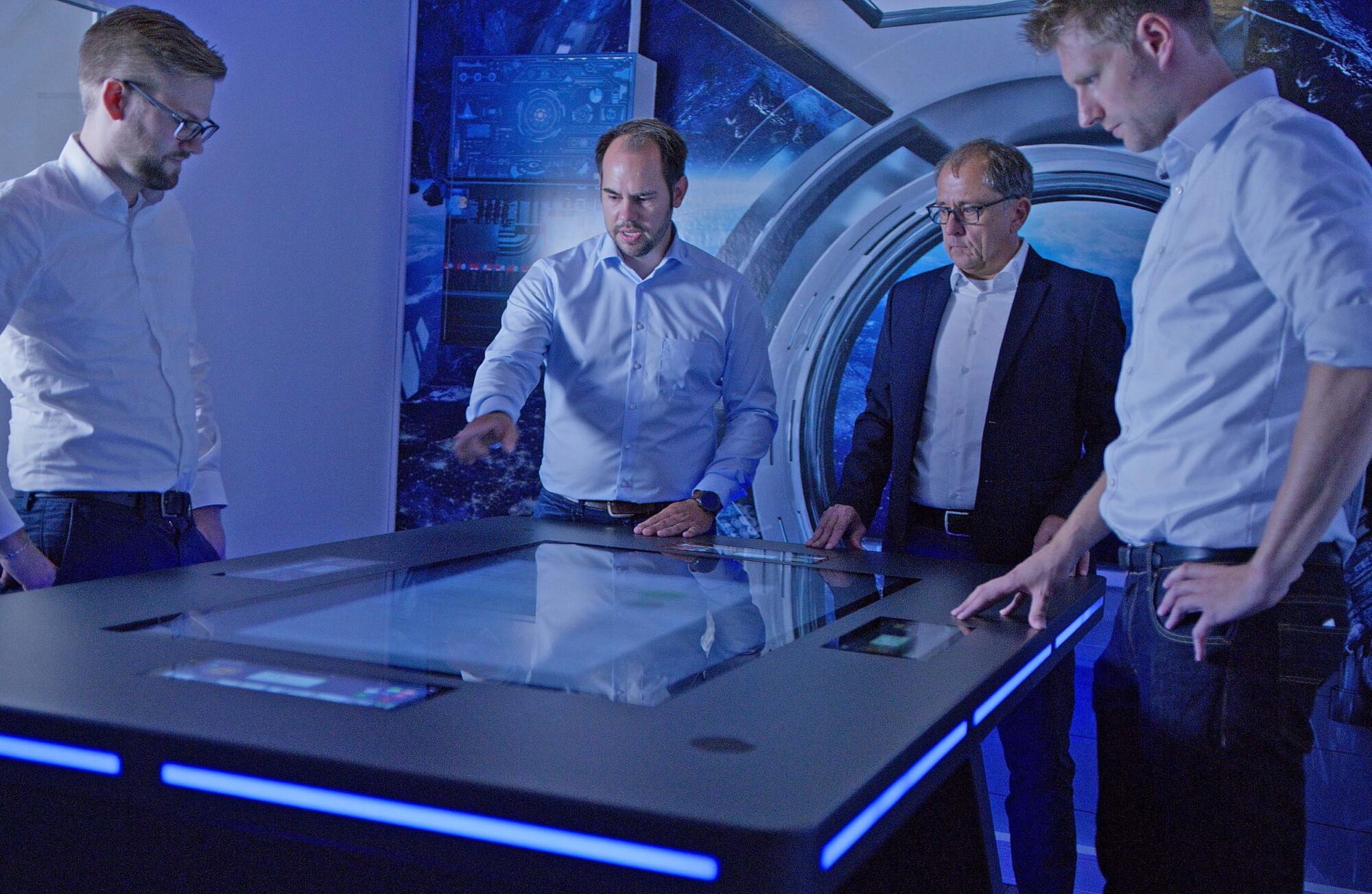
In military control rooms and situation centers, the joint assessment of complex scenarios is critical to mission success. The interactive JST TacticTable® supports analysis, planning and team coordination. Using intuitive touch gestures, information can be moved, scaled and prioritised with ease, while multiple operators work simultaneously with relevant data. As a central interface, the digital situation table consolidates various monitoring systems within the defence control room, making applications and data sources available in real time. Whether in training, combat simulation or acute crisis scenarios, the TacticTable® supports structured decision-making, enhances collaboration and creates a flexible environment for coordinated action.

Request a consultation

Request a consultation

Why air defence centers, air operations centers and air force control rooms gain strategic importance

When looking at global conflict situations, we increasingly hear statements from politics and industry such as “the threats are getting closer.” This is unsettling for many people. In reality, given the number of global crisis hotspots, it is becoming harder to ignore this concerning development. We are interested in the strategic value the control room industry can and must deliver in this context – particularly in the field of air defence. To explore this, we speak with JST control room expert Marc Jenni.

JST Sales Consultant Marc Jenni:
“The technological and organisational build-up is not a short-term spike, but part of a long-term capability development – particularly in the NATO context. For providers of control room solutions, this means that it is not just displays and furniture that are in demand, but robust system architectures for operations management, air situational awareness, crisis communication, resilience and 24/7 operations.”

Why are air force control rooms and air defence centers gaining importance right now?

Marc Jenni: Because we can see the situation escalating. Globally, we are facing rising tensions, armed conflicts and hybrid threat scenarios. Disruptions to supply chains are intensifying competition for resources and reserves. In this environment, crisis scenarios are no longer theoretical exercises – they are real. Resilience, deterrence and defence capability are now among the key operational capabilities.

What does this mean for the control room industry?

Marc Jenni: We need military control rooms that can consolidate information more quickly, coordinate forces and enable robust decision-making. The figures underline this: according to SIPRI [Ed. note: Stockholm International Peace Research Institute], global military spending reached a new record of USD 2.7 trillion in 2024. At the same time, NATO reports that in 2025 all allies have, for the first time, met or exceeded the former 2% defence spending target. This sends a clear signal: the trajectory of security policy is on the rise.

What is the current state of air defence? Drone attacks are increasingly dominating the headlines. Is there such a thing as an Air Operations Center in Germany? How well are we positioned?

Marc Jenni: Anyone asking about an Air Operations Center in Germany today is, in practice, referring to very specific command and situation facilities. In Germany, this is known as the German Air Force’s Air Component Command. This is where air operations are coordinated in close synergy with other operations centers – around the clock, 365 days a year. This illustrates the direction of development: air force control rooms, air operations centers and air operations control centers are becoming more closely integrated in functional terms. The focus is no longer just on displays and monitors, but on real-time operational command. And when viewed at the NATO level, it is clear: an air operations center is no longer an isolated national entity.

Why are control rooms for radar and air surveillance, as well as military air traffic control centers, so relevant in this context?

Marc Jenni: Because air surveillance is once again understood as a continuous 24/7 mission. Radar control rooms, radar surveillance centers and air surveillance control rooms serve as critical hubs for air situational awareness, weapons deployment and technical systems. Within this environment, the military air traffic control center forms part of a robust command architecture that must perform reliably under time pressure.

So different levels need to be coordinated?

Marc Jenni: Absolutely. As soon as multiple sources, differing priorities and tight timelines come together, it is no longer just about monitoring, but about operational command. Speed, availability, redundancy and clearly defined responsibilities are essential. Rapid detection, swift decision-making and a high level of coordination are also explicitly defined by NATO as core principles.

We are also hearing about additional requirements in control room environments. What must a control room for air surveillance systems deliver?

Marc Jenni: At its core, it is about the technology behind decision-making. How do we bring together sensors, radar, visualisation, alerting, communication and user interfaces in a way that ensures operators remain capable of acting, even in high-risk situations? That is the benchmark today. An air defence center must not only display data, but also provide redundancy, interoperability and system integration in a way that ensures operations can continue even under pressure.

So in practice, does that mean technology for an air defence center must deliver more than standard hardware?

Marc Jenni: Exactly. Ultimately, all components must work together in such a way that, even in the event of disruptions, cyber pressure or overload, no one loses situational awareness. This is where it becomes clear whether a control room for air surveillance systems simply “runs” — or truly enables command.

Returning to air attacks: What role does drone technology play in current crisis scenarios?

Marc Jenni: Today, we are no longer talking about individual drones, but about a broad spectrum of airborne threats. This ranges from small, slow-moving drones to hypersonic weapons. Air situational awareness in the control room is becoming a key factor. An air defence command center must not only detect activity in the airspace, but also prioritise, classify and present response options — in seconds, not minutes. That is why air situational awareness in the control room is no longer a “nice to have”, but a core element of operational command.

Can everything that happens in the air really be separated from land and sea? Naval forces, supply lines, communication and force coordination – shouldn’t all of this be integrated within a unified structure?

Marc Jenni: Air warfare can hardly be considered in isolation anymore. In real crisis scenarios, air, land and naval forces must be coordinated. What we need is operational command that works across domains. That is precisely why the EU and NATO are increasingly adopting multi-domain approaches: land, air, sea, cyber and space must be integrated. This is not just a technological trend, but a direct response to the changing global landscape.

That sounds like a huge challenge…

Marc Jenni: For control rooms, this means that crisis communication becomes a command function. A military air defence center, an air defence control room or an air operations center can no longer simply “report upwards”. The coordination of forces, the evaluation of operational experience and the insights gained from exercises – all of this must happen in real time. Only then can we achieve reliable situational decision-making. This requires modern, high-performance technological systems.

And what happens if there are barriers in this interaction?

Marc Jenni: As soon as communication slows down, the situational picture becomes unclear or capacities are prioritised incorrectly, friction arises – precisely where speed is essential. High-performance control rooms reduce this friction. They create clarity, shorten decision-making paths and strengthen the resilience of the entire command architecture.

How will this develop in the coming years – and what role will air operations centers, air defence control rooms and air defence centers play?

Marc Jenni: I am convinced that this development will continue to accelerate. The EU roadmap “Readiness 2030” aims to close capability gaps by 2030. This means that air operations centers, air defence control rooms, air defence centers and air command and control system control rooms will not become smaller in the coming years, but more closely networked, more interoperable and increasingly geared towards rapid response, redundancy and joint procurement. The technological and organisational build-up is not a short-term spike, but part of a long-term capability development – particularly in the NATO context. For providers of control room solutions, this means that it is not just displays and furniture that are in demand, but robust system architectures for operations management, air situational awareness, crisis communication, resilience and 24/7 operations.

What is, in your view, the key takeaway for operators and planners?

Marc Jenni: A modern military control room must do more than simply observe. It must understand the air situation, coordinate forces, ensure crisis communication and remain fully operational under time pressure. Whether it is referred to as an air force control room, an air operations center, an air defence center, an air defence control room or an air defense command center — the direction is the same: greater integration, more redundancy, higher speed and increased resilience.
The question is no longer whether we need such structures for our defence capability. The question is how quickly we can make them available in terms of quality, scalability and interoperability.
Control room simulator: Where your defence control center takes shape

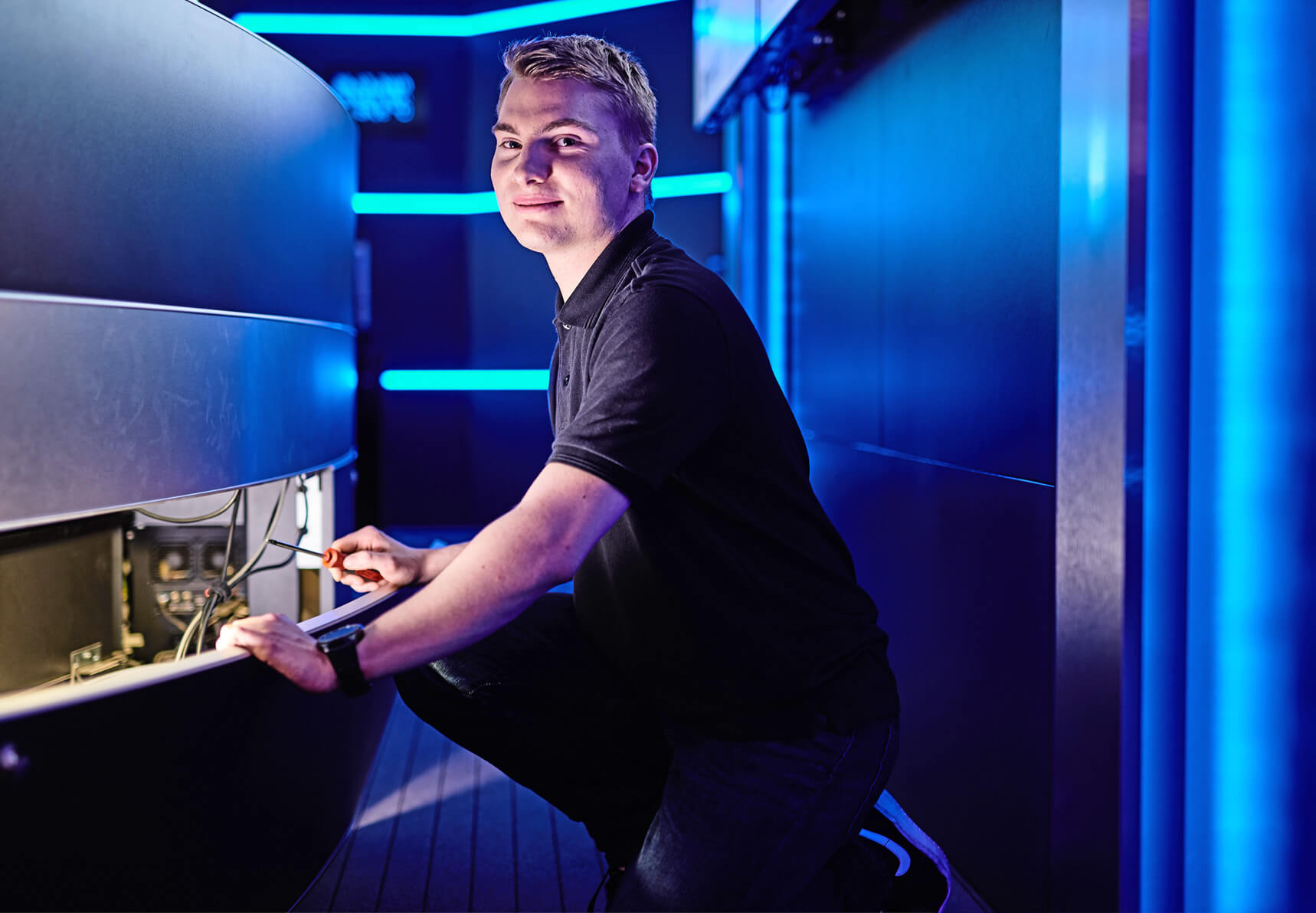
During the live simulation in Europe’s unique control room simulator, the foundation is laid for your military command and control center. Project scope, objectives and budget are defined on a tailored basis during the workshop. The key advantage: you can experience everything first-hand and try it out yourself.

Whether virtual or live on site – the workshop in the control room simulator is free of charge. We kindly ask for prior registration.

40+
Innovations

We offer our customers unique products and solutions for control rooms. An exclusive benefit that only JST can provide.

30+
years of experience

We have been working in the business for more than 30 years. We would be happy to bring our many years of know-how to your project.

700
conrol rooms

This means that you benefit from our extensive experience and smooth project realisation processes. Because JST keeps everything in mind!

60+
Employees

Our experts are among the best. They have been designing control rooms for years. Our team enjoys working together – for you!

Selected by leading companies and institutions

Frequently asked questions about defence control rooms

Below you will find answers to the questions we are most often asked about military control rooms. If you cannot find the information you are looking for on command and control centers, please feel free to contact us.

A military control room is a central environment for monitoring, managing and coordinating operations. Data from multiple systems is consolidated and presented as a situational picture. It supports decision-making in safety-critical scenarios.

Defence control rooms must meet the highest standards of security, availability and resilience. This includes redundant systems, protected infrastructures and stable operating conditions. At the same time, they must reliably handle complex data streams.

A command and control center (C2 center) is a command facility for planning, directing and monitoring operations. It integrates information from multiple sources into a shared situational picture. The objective is fast, well-informed decision-making.

JST has extensive experience in the planning and implementation of military control rooms, command and control centers and safety-critical control room environments. As a control room system integrator, the company has been delivering complex projects for defence organisations for many years, including applications in situation centers, operations centers and mission-critical IT infrastructures.
Due to the sensitivity of these environments, collaboration with clients is subject to strict confidentiality requirements. For this reason, references are not disclosed publicly. However, the projects delivered clearly demonstrate JST’s expertise as a full-service provider – from analysis, engineering and system integration through to installation, operation and support.

A control room integrates systems such as command and control applications, communication solutions, sensor technologies and visualisation systems. These systems deliver and process data in real time. The key factor is their seamless consolidation within a central user interface.

Reliability is achieved through consistently redundant system architectures, uninterruptible power supply and stable network structures. Critical components are safeguarded multiple times to avoid single points of failure. The goal is continuous 24/7 operation, even in the event of disruptions.

Combat simulation control rooms are used in training and education centers. They enable realistic representation of complex operational scenarios, allowing workflows to be tested and decision-making to be trained under controlled conditions.

Costs vary significantly depending on scope, security requirements and the level of system integration. Factors such as the number of workstations, visualisation systems and redundancy concepts all influence the investment. A precise assessment is carried out on a project-specific basis.

Project duration varies depending on complexity and requirements. It typically spans several phases, from analysis and planning through to implementation. The level of system integration and specific security requirements have a significant impact on the timeline.

Military control rooms have significantly higher requirements in terms of security, resilience and flexibility. They must be designed to handle dynamic and often unpredictable scenarios. By comparison, industrial control rooms are typically geared towards stable, repeatable processes.


Visualisation is essential for rapidly understanding complex situations. Large displays and structured interfaces enable the simultaneous presentation of multiple data sources. A clear situational picture supports well-informed decision-making in real time.

Would you like to learn more about JST solutions for defence command centers and military control rooms?

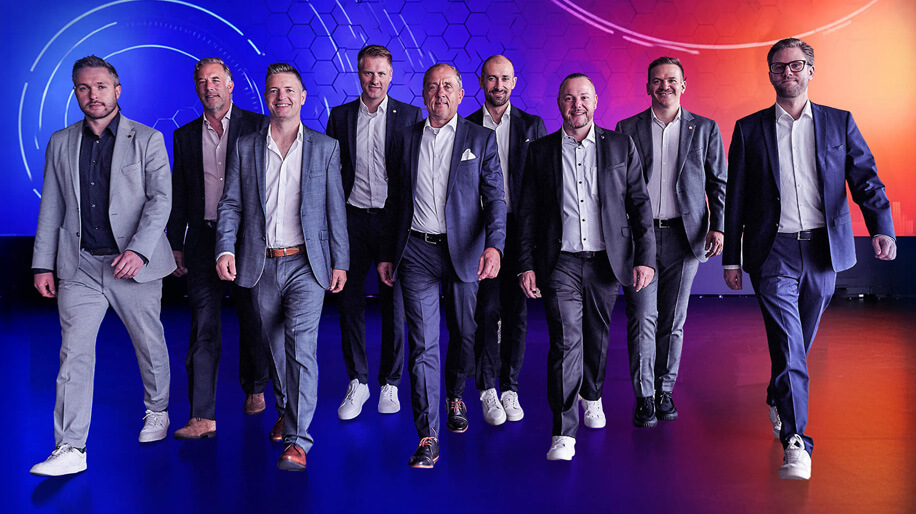
Kontrollraumspezialisten von JST

I would like a callback for a non-binding consultation of the JST control room specialists!

Make an appointment for a consultation by phone. The consultation is free and non-binding.

I would like to visit the Europe-wide unique control room simulator!

SCHEDULING A “TEST DRIVE”

Visiting the control room simulator is free of charge.
We ask for registration and reservation of dates.
Gladly also as an interactive online meeting.

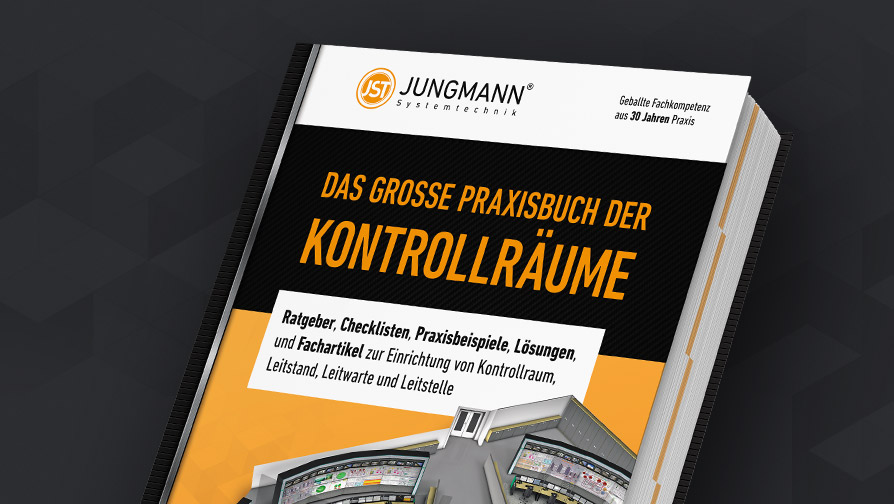
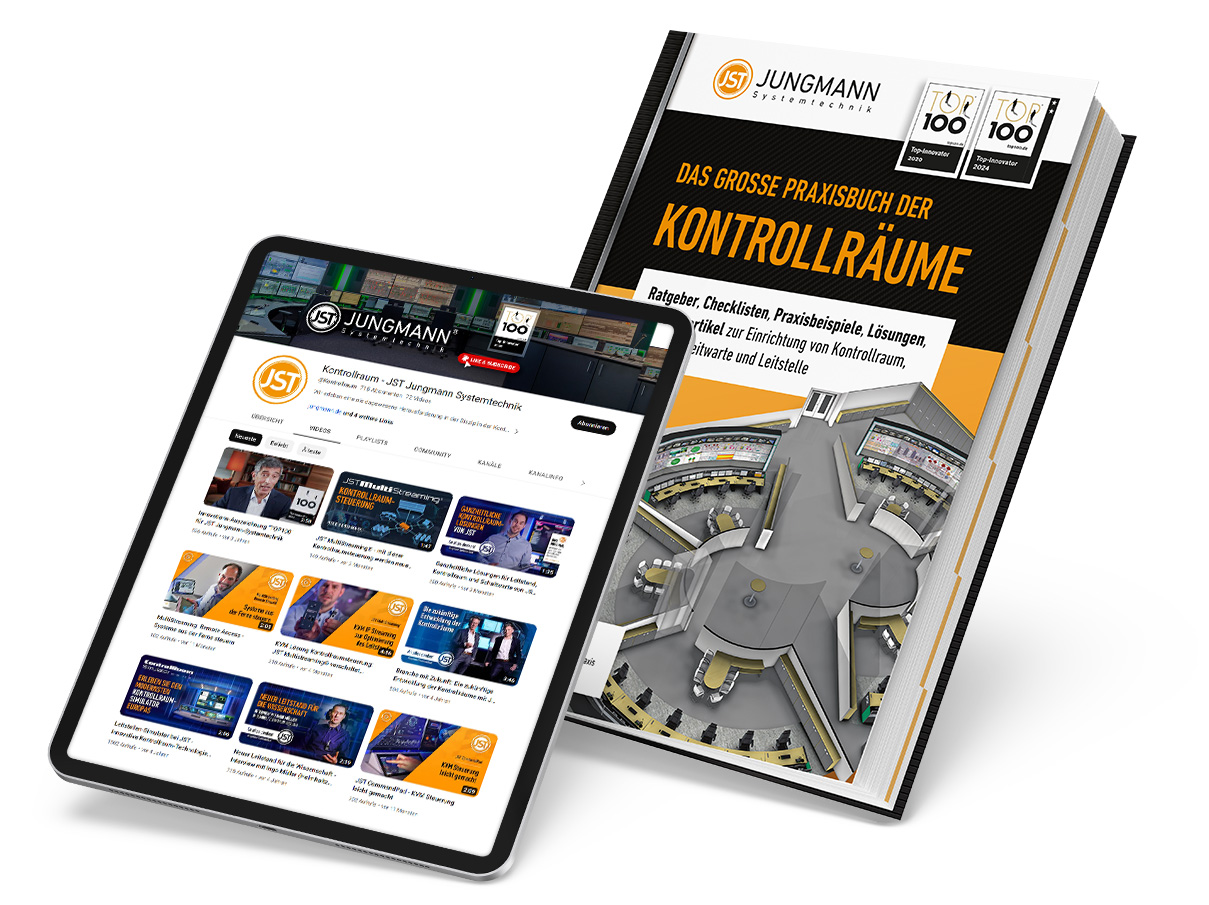
The large practical book of the control rooms

I would like to receive JST´s “The Great Practice Book of Control Rooms”!

REQUEST FREE OF CHARGE

The Practice Book is free of charge for JST customers.