






The most important transformation begins in people's minds: How collaborative change can succeed in the control room
Simply replacing technology? That is no longer enough if a control room is to be made fit for the future. Wherever operators monitor complex processes around the clock, every upgrade affects one thing above all: the workplace of the people behind the systems. Together with Jungmann Systemtechnik (JST), the AGR Group therefore opted for a modernisation concept that goes far beyond a purely technical upgrade. Early involvement of staff, close collaboration and a jointly developed vision of the future quickly built acceptance. The JST control room simulator plays a key role in this process. It laid the foundation for a modernisation that was actively supported by the people who would later work in the new environment.
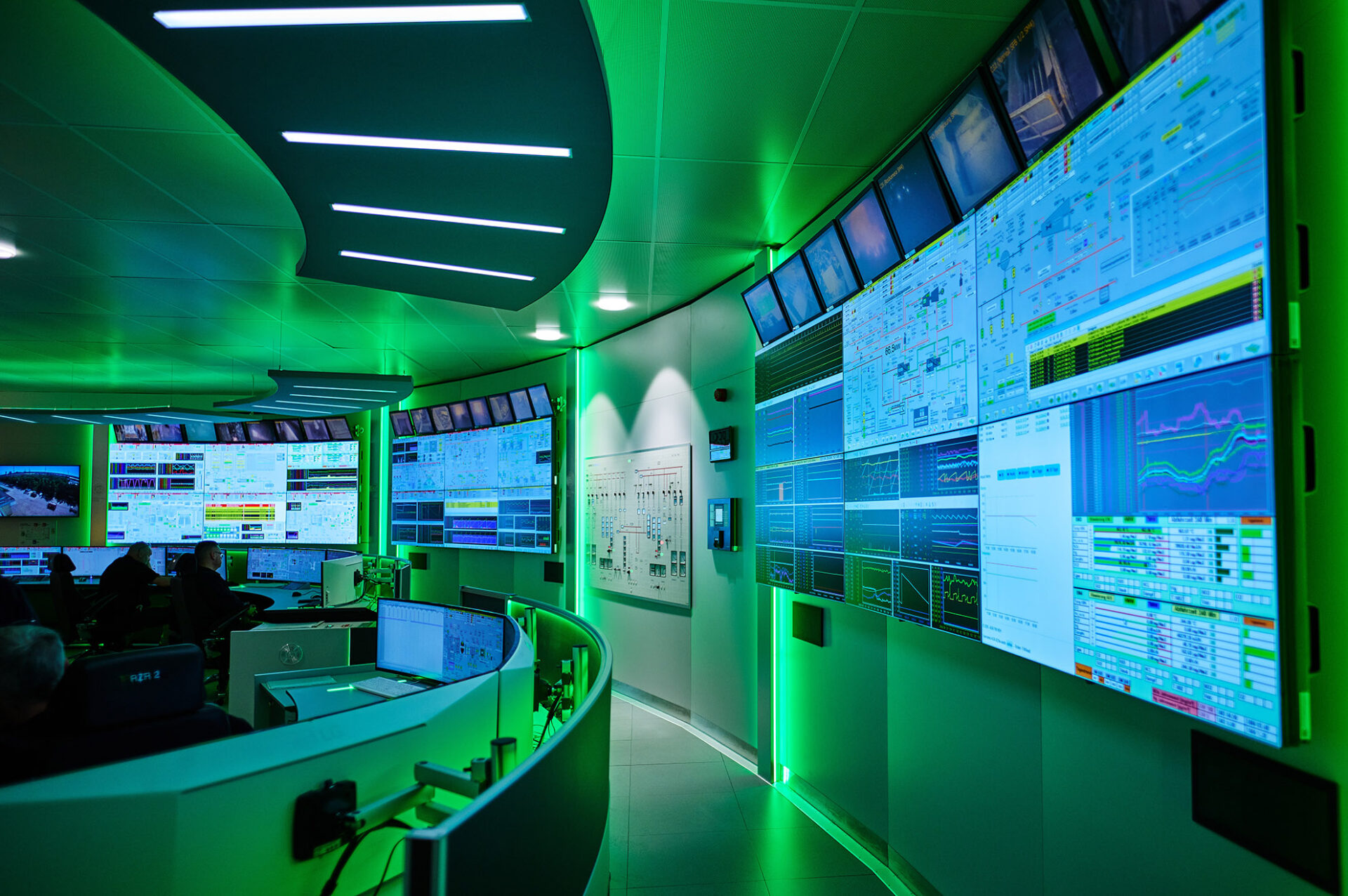
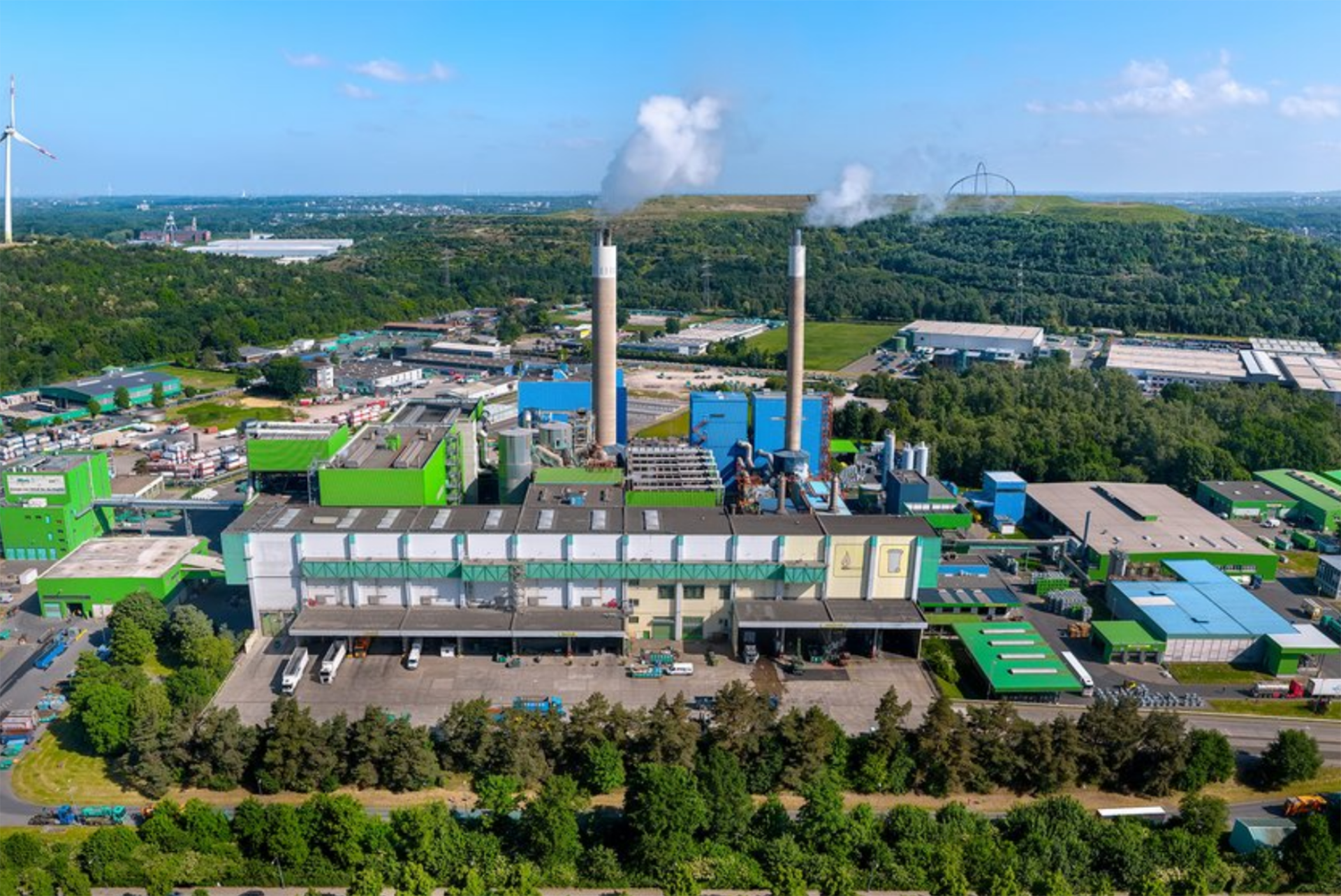
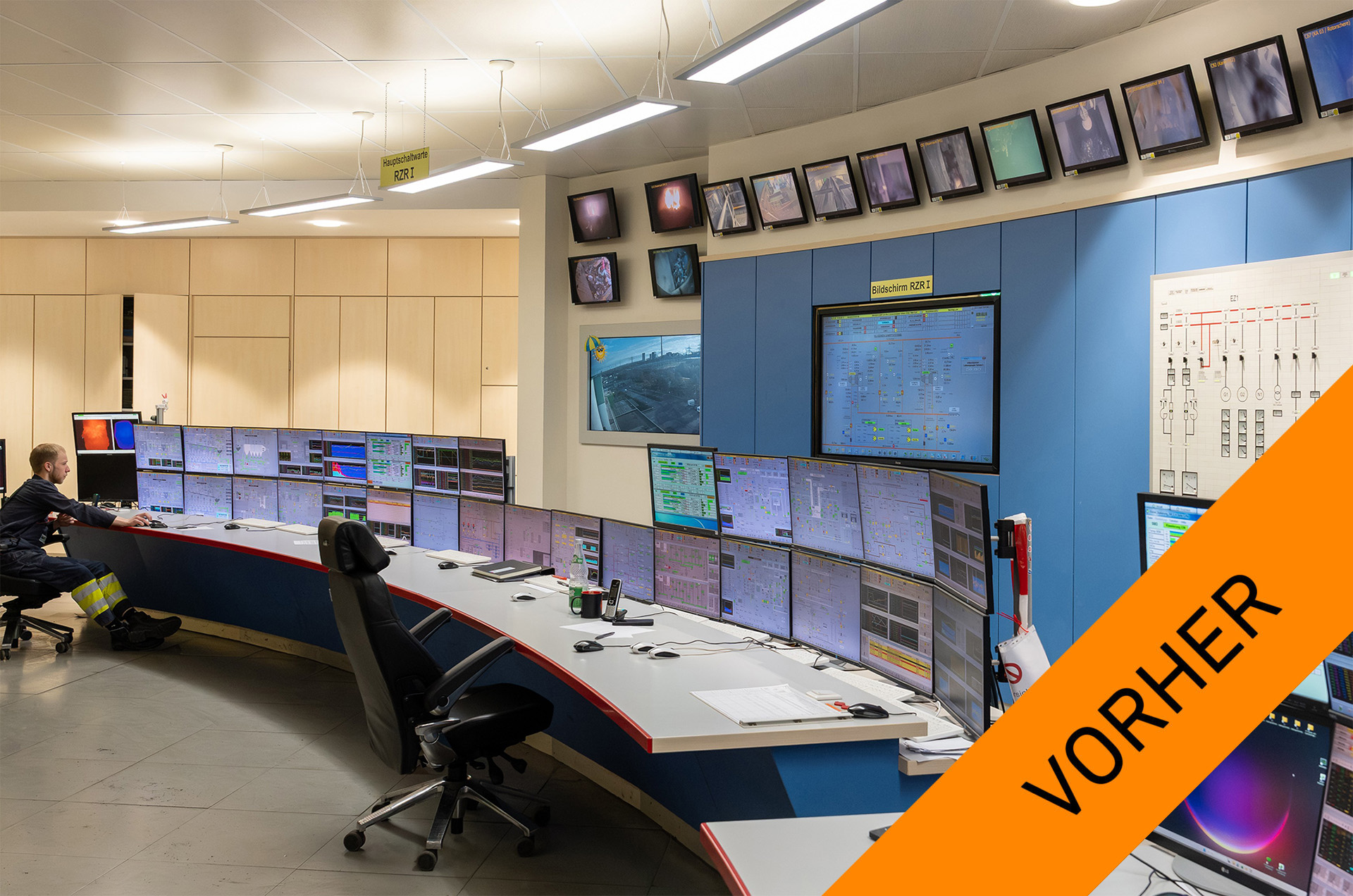
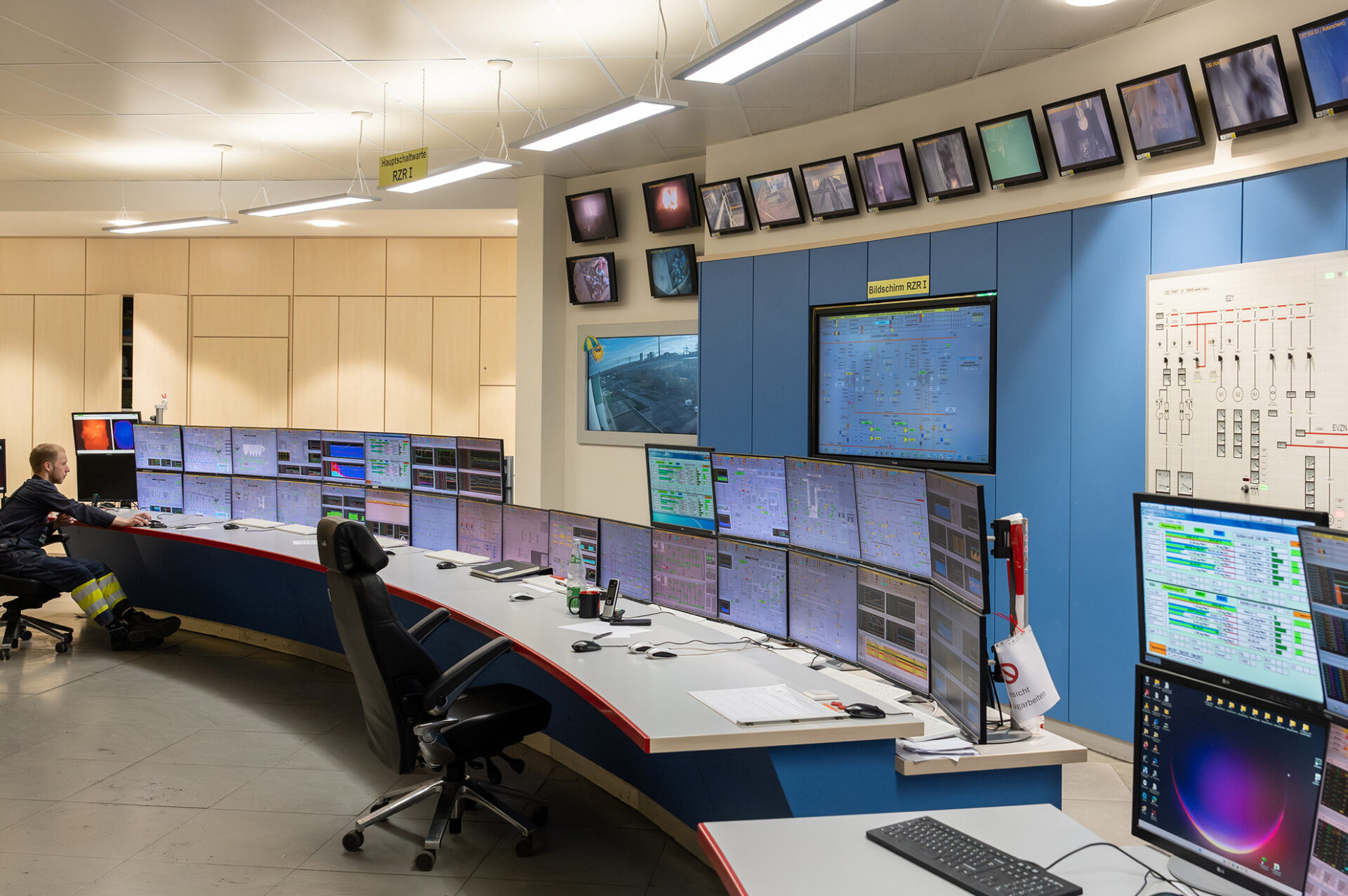
How do you modernise a control room without losing sight of the people who work there in 24/7 shifts? This was the challenge facing the AGR Group, one of the leading waste management companies in the Ruhr region. At RZR Herten (Rohstoffrückgewinnungs-Zentrum Ruhr), waste-to-energy processes are monitored and controlled around the clock from a central control room. After more than four decades, however, its technical and ergonomic equipment no longer met the requirements of a modern workplace.
Holistic concept for the control room
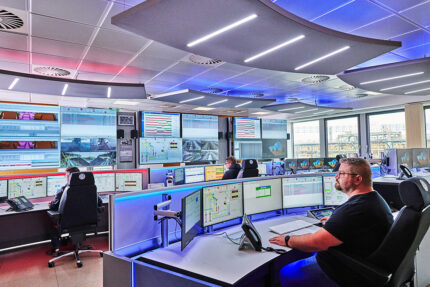
“The real driving force was our colleagues,” recalls Stefan Semer, Head of Production at RZR Herten. “An analysis showed that spending most of the working day seated can lead to health problems for employees.” It quickly became clear that height-adjustable operator consoles could not be implemented within the existing infrastructure. Anyone looking to improve ergonomics sustainably had to rethink the control room from the ground up. Together with Jungmann Systemtechnik, the AGR Group therefore developed a holistic concept for the process control room.
Ergonomics as the starting point - innovation as the result
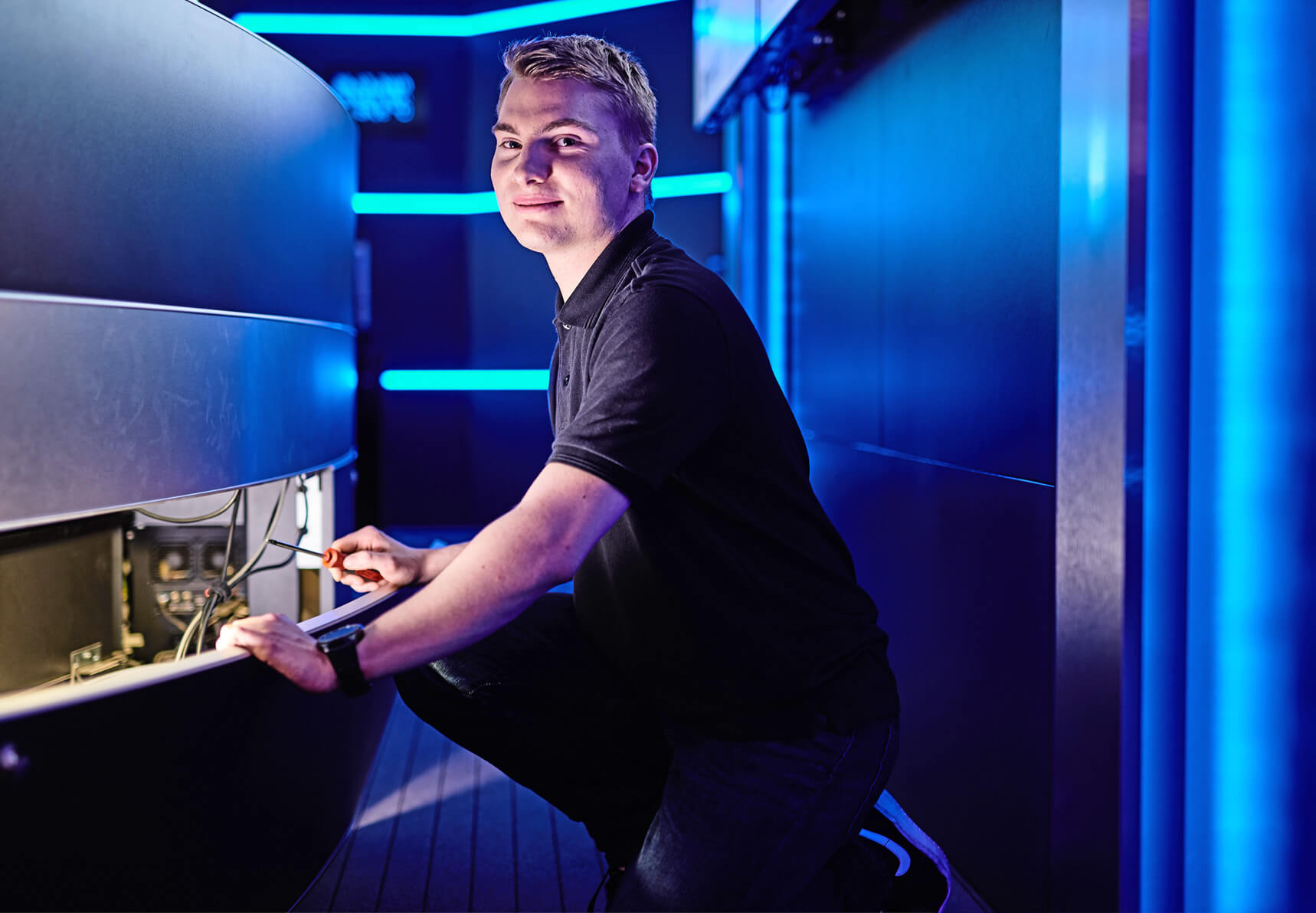
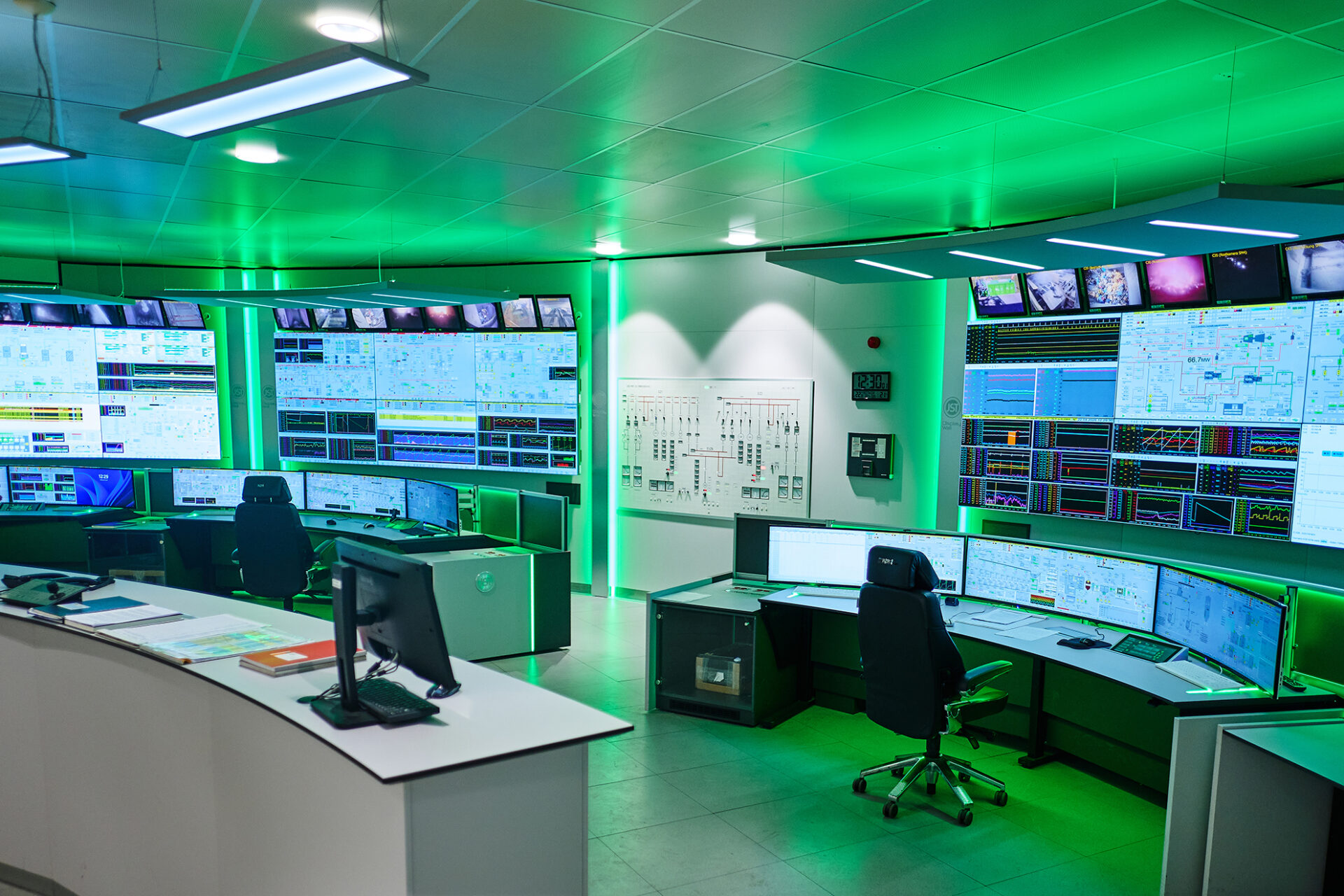
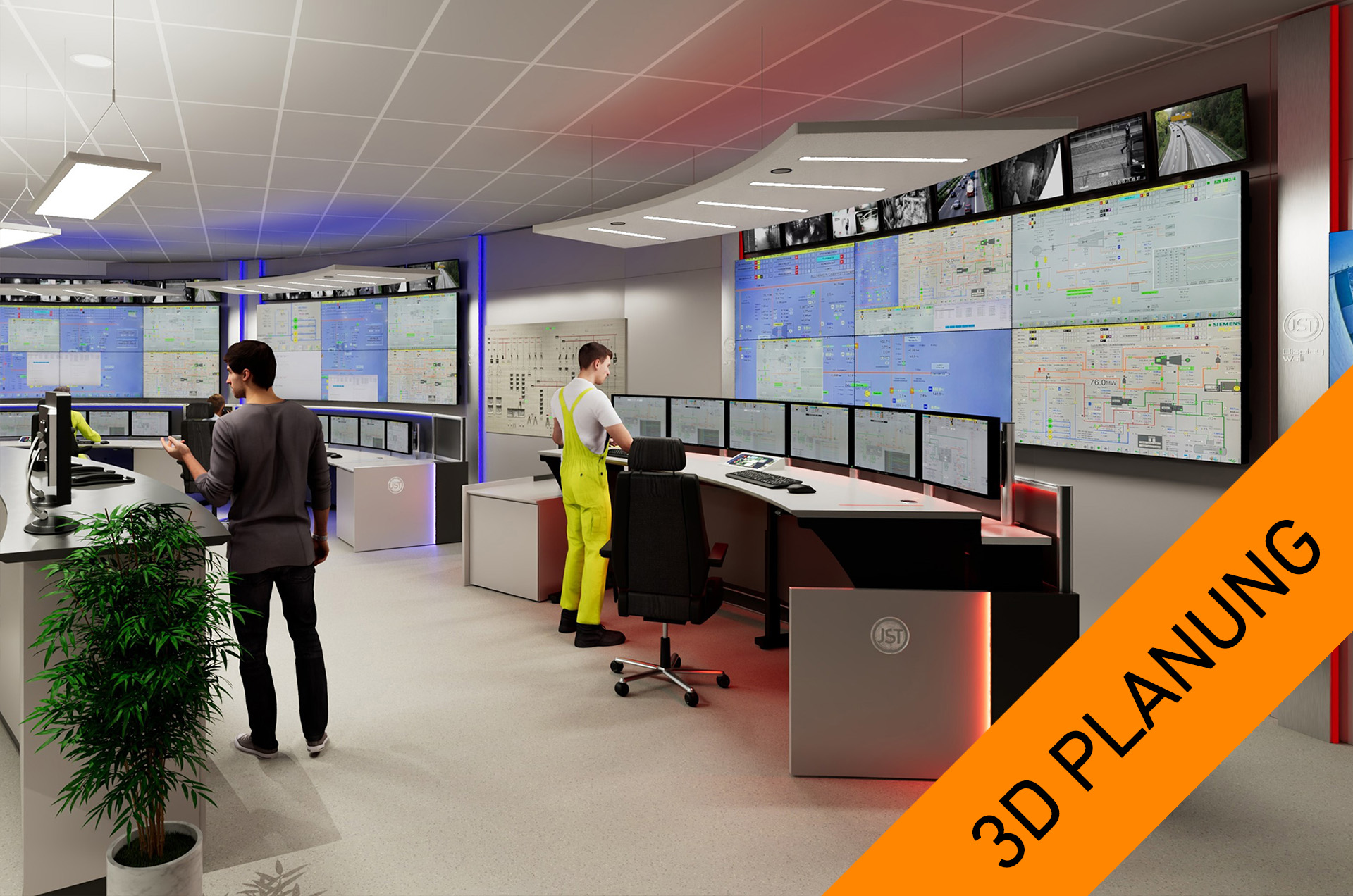
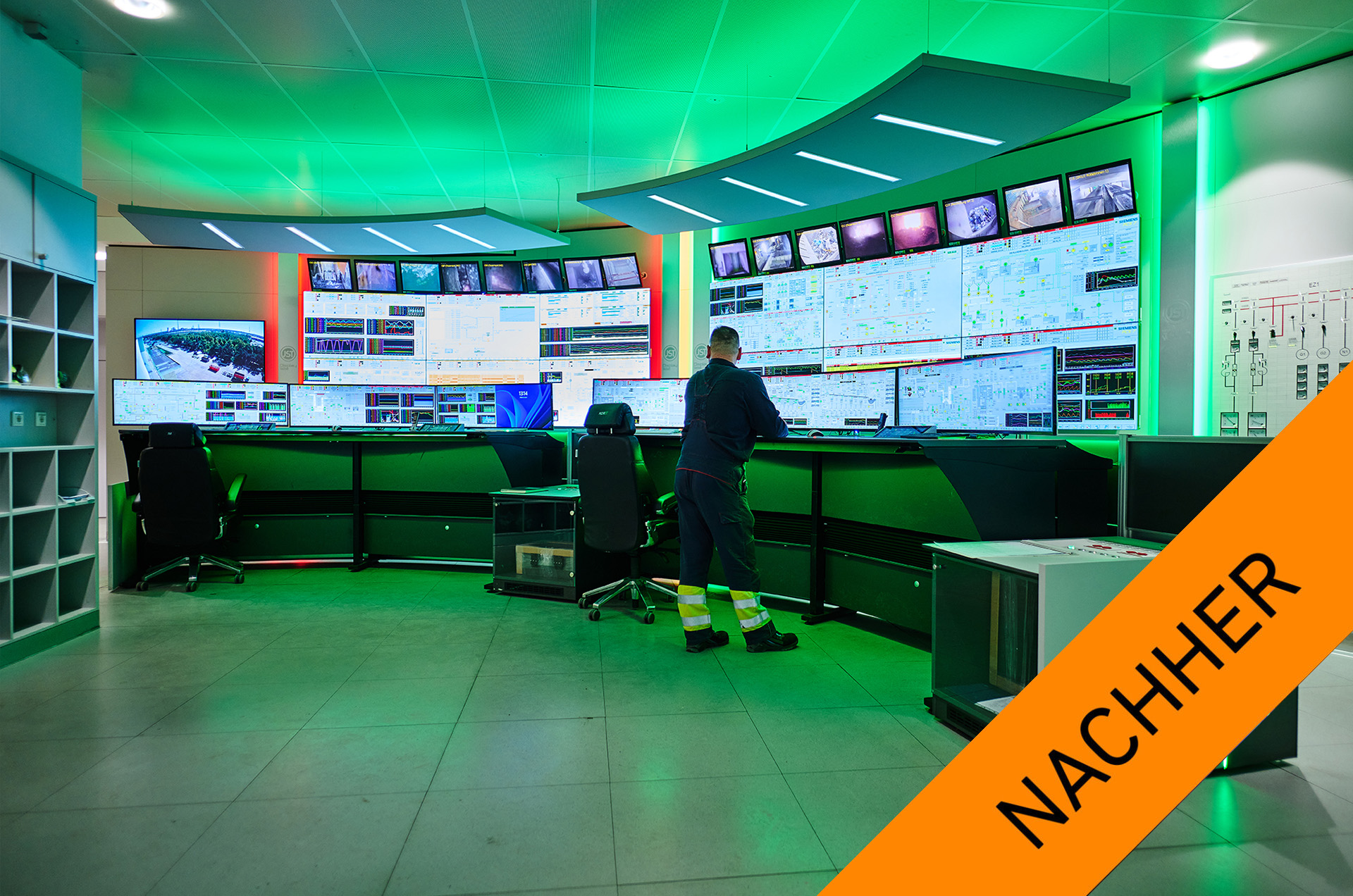
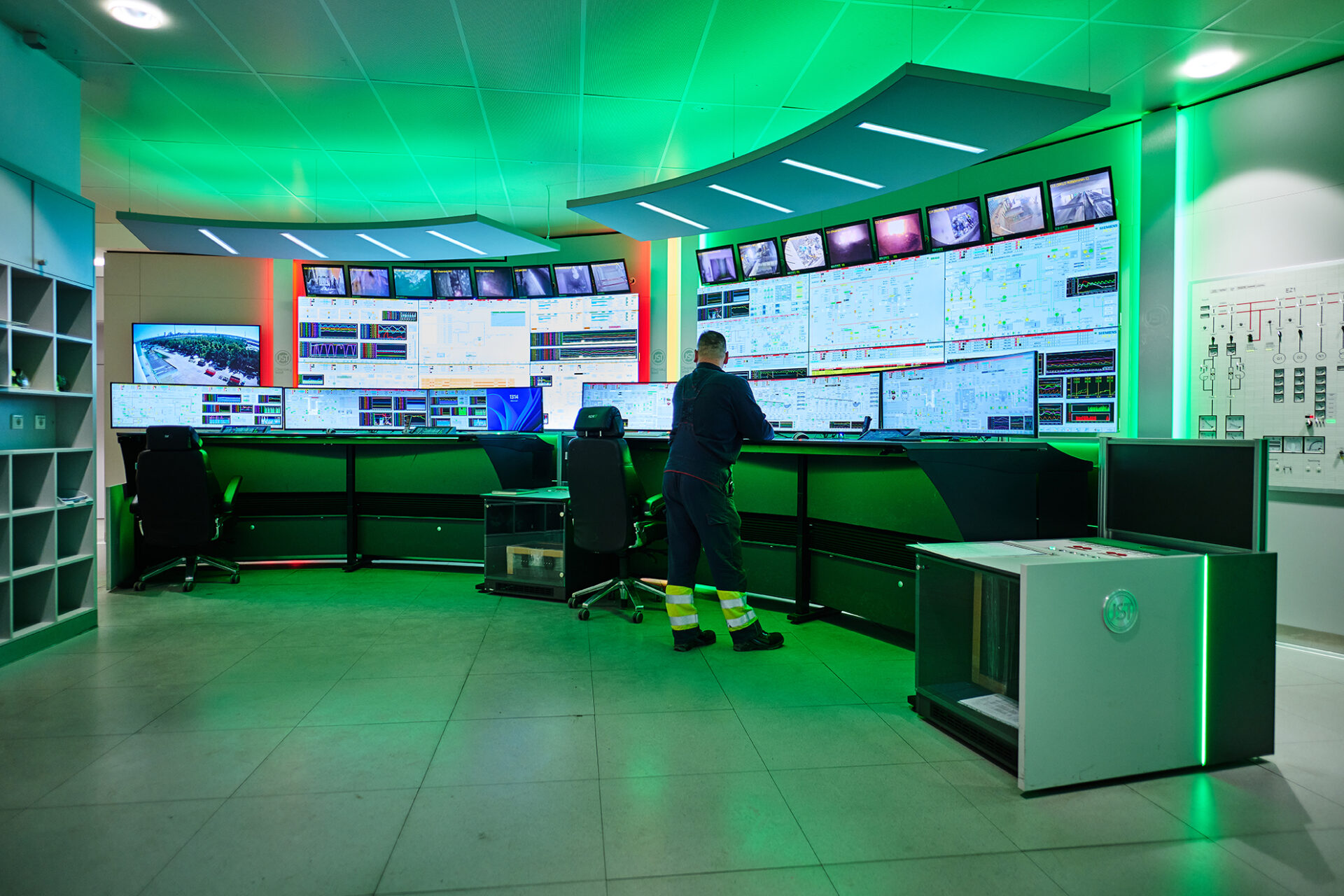
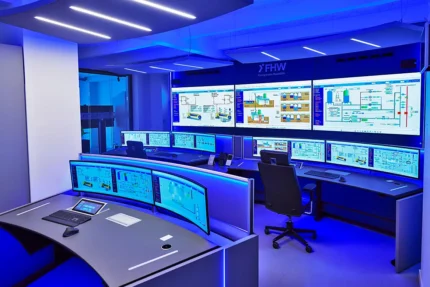
New height-adjustable Stratos X11® control room consoles create ergonomic workstations, while KVM technology based on the JST MultiStreaming® system relocates the computer hardware from the consoles to separate technical rooms. The result is a tidy CleanDesk concept offering more freedom of movement and significantly greater flexibility. Sources of heat and noise were also removed from the control room. “Height adjustment was the initial trigger. Many colleagues in the control room use it today and speak very highly of it,” says Semer. The new monitor setup is also appreciated: “The improved overview is a genuine benefit.”

Acceptance begins long before the first day of the conversion
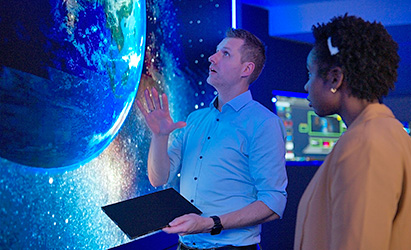
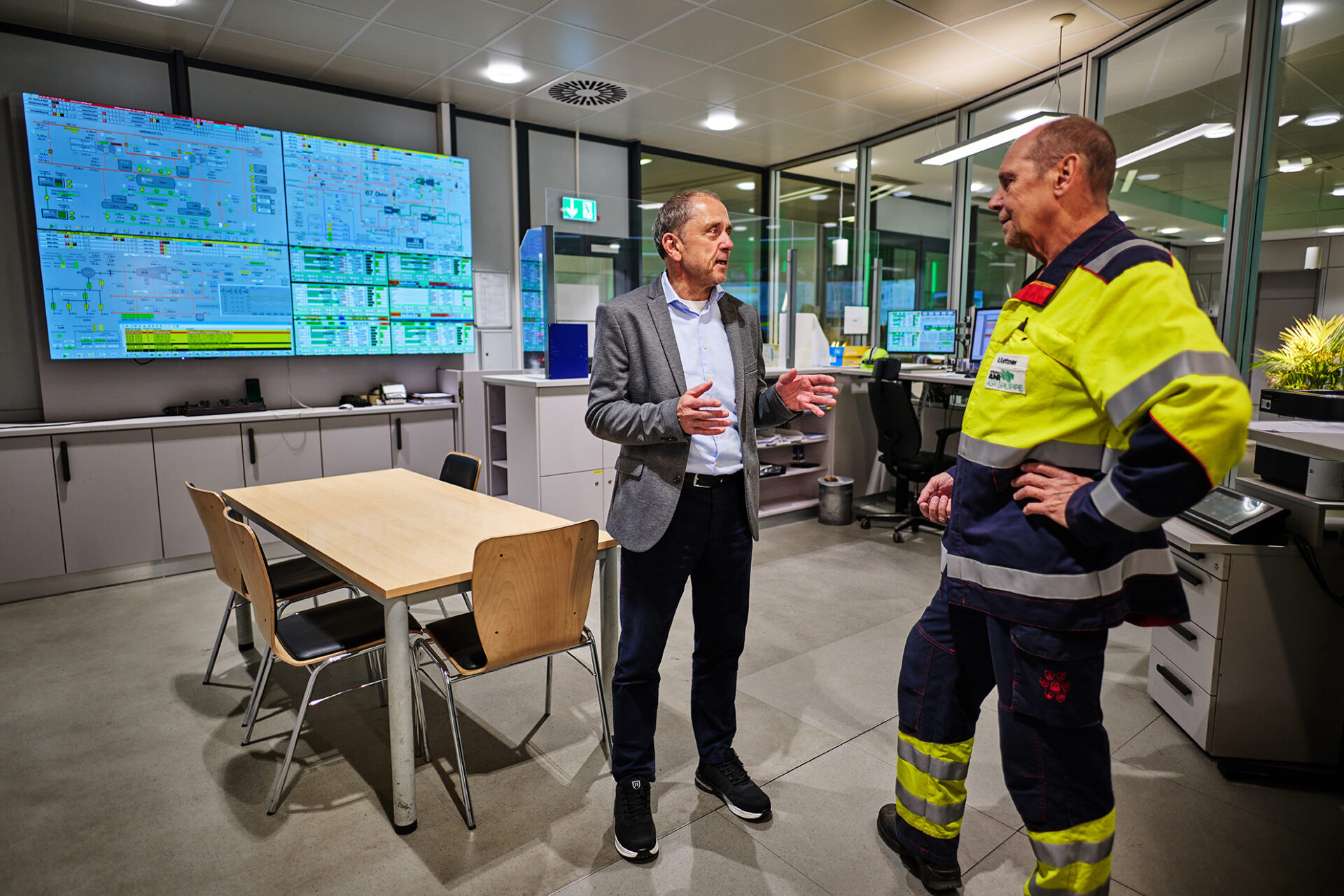
AGR and JST laid the foundation for this high level of acceptance long before work on site began. The most important decision was not made during the conversion itself, but much earlier. “We tried to bring every employee to Neu Wulmstorf, to the control room simulator, at least once. We wanted them to experience the benefits and possibilities of their future workplace for themselves,” says Semer, describing the thinking behind this approach. That is why the AGR Group invited almost all of the operators from Herten to the JST showroom in northern Germany before work began. There, they were able to experience the new working environment under realistic conditions, ask questions and try out the operating concepts for themselves. It was a good opportunity to reduce any reservations about the new technology.
“Employees knew what to expect”
The value of this forward-looking approach became apparent months later, when conversion work began inside the control room. While sawing, drilling and construction work continued all around the operators, monitoring and control of the plant carried on without interruption. “Our employees knew what to expect. They knew what the end result would look like and did an excellent job throughout the conversion phase,” says Stefan Semer, praising the commitment of the operators.
An instrument for successful change management
What might otherwise have been a conventional showroom visit became a decisive element of the overall change process. The control room simulator does more than simply present new technology. It gives each individual operator a tangible impression of their new working environment and can therefore serve as an effective instrument for successful change management. Stefan Semer identifies precisely this as the decisive factor behind the success of the modernisation: “Without the acceptance of the control room team, there is no point in starting a modernisation.”



Our references today (selection)
A
B
C
E
H
I
M
N
P
R
S
- s.Oliver, Rottendorf
- SachsenEnergie, Dresden
- SAG, Berlin
- SAG, Nürnberg / Nürnberg Messe
- Salzgitter Flachstahl
- Senvion SE, Osterrönfeld
- SGL Carbon Group, Bonn
- SIEMENS
- SIEMENS, Wegberg
- Spenner, Erwitte
- Städtische Werke Magdeburg
- Stadtwerke Gießen
- Stadtwerke Ratingen
- Stadtwerke Schwerin, Kraftwerk Süd
- Stadtwerke Steinburg GmbH, Itzehoe
- Stadtwerke Wolfenbüttel
- Starlim Sterner, Marchtrenk
- STORAG ETZEL, Friedeburg
- Straßenverkehrsamt Frankfurt am Main
V
W
Unsere Referenzen (Archive)