



Control rooms in transition: system migration and increasing process complexity
The requirements placed on industrial control rooms are changing noticeably. More complex processes, increasingly interconnected digital workflows and evolving process control technology are creating new demands and prompting companies to rethink established concepts. At its Stade site, PS Biopolymer GmbH & Co. KG has taken precisely this step. The result: A comprehensive turnkey solution from JST – Jungmann Systemtechnik® was used to implement a control room project consistently geared toward the challenges of the future.
From system migration to a new control room
Some projects begin with a technical necessity – and develop into a strategic decision. This was also the case at the Stade site: As the existing process control system (PCS) was no longer supported, PS Biopolymer GmbH decided to undertake a PCS migration and build a new control room.
Wolfgang Täuber, Project Technology Lead and responsible for the MC/HPMC plant, recognised early on that the undertaking involved much more than new technology. “We had to look at how to migrate everything and coordinate the operation of all digital systems as effectively as possible in day-to-day plant operations,” he explains, describing the starting point. What began as a change of process control system thus became a future-oriented project for a plant in which all processes must interact precisely in 24/7 operation.
A plant in continuous operation
All information converges in the control room. Here, the production trains of an MC/HPMC plant are monitored continuously, while all plant activities are coordinated. For the operators, this means maintaining an overview of conditions, processes and deviations at all times within a highly interconnected production environment. This led to the central task: ensuring safe and efficient plant operation.
According to Wolfgang Täuber, the focus was therefore on providing targeted support to the operators rather than overwhelming them with technology. To achieve this, the new control room had to do one thing above all: visualise complex plant operations clearly and enable effective control.
Process visualisation and effective operation
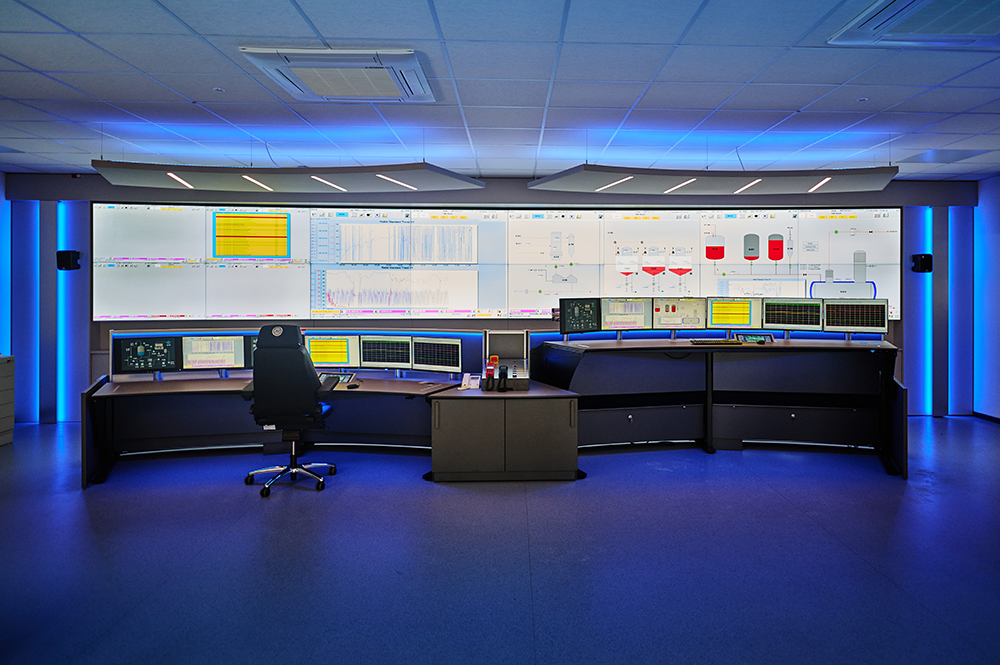
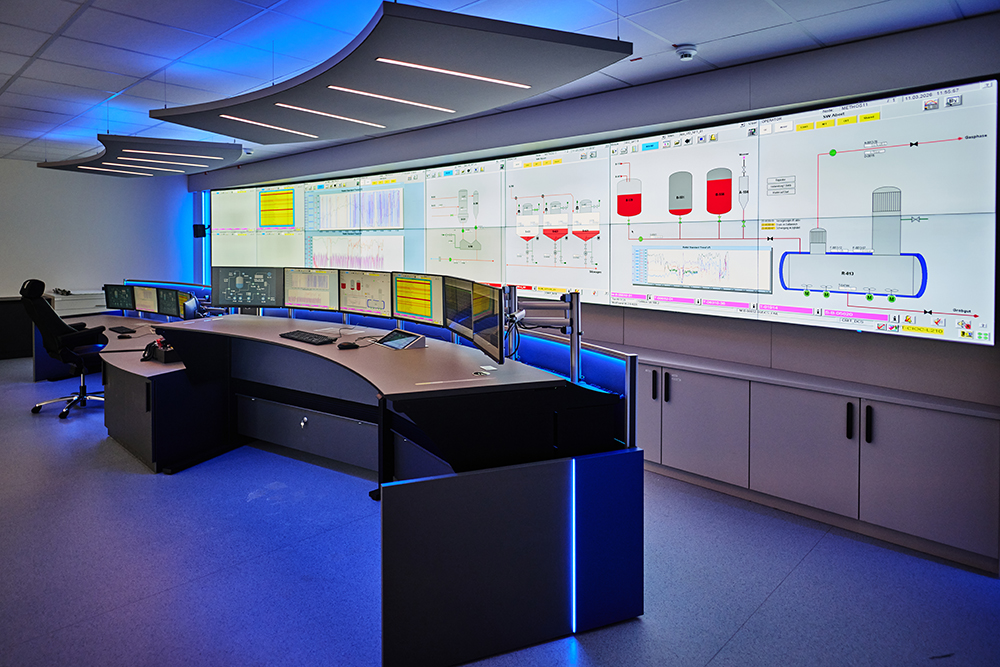
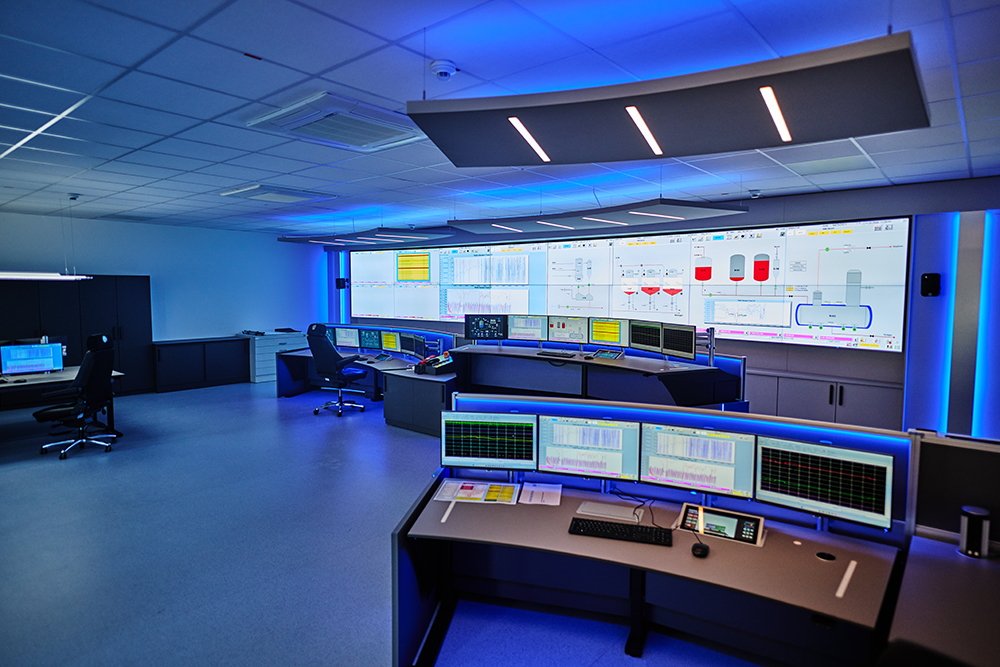
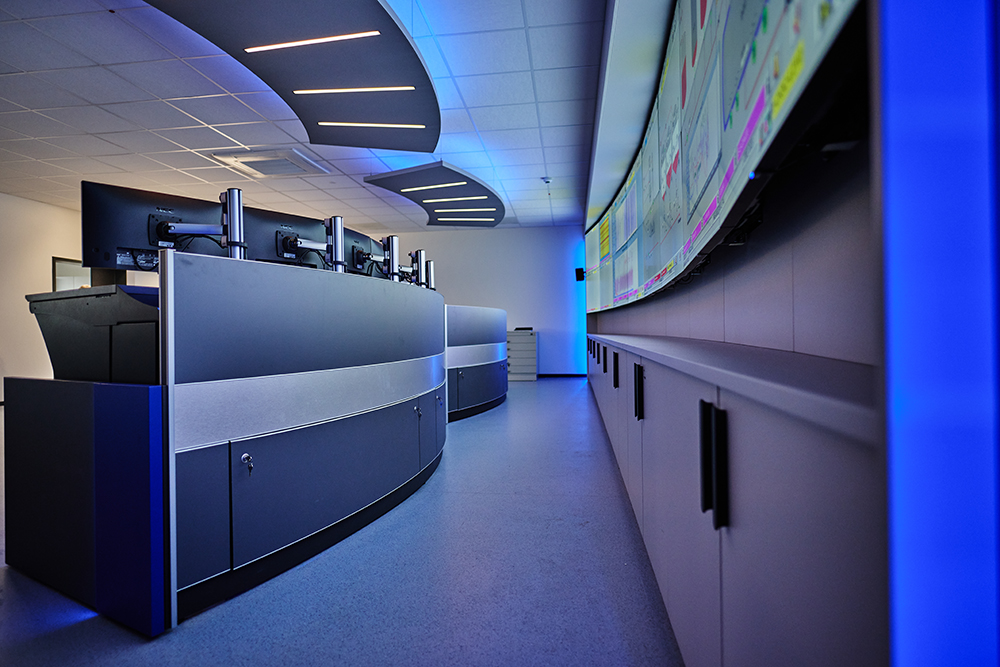
JST therefore uses a solution that brings together visualisation, ergonomics and ease of operation. At its heart is the MultiConsoling® system, a fully redundant control system for the operator workstation, video wall and even the systems in the adjoining conference room. Together with the myGUI® user interface, it ensures intuitive control of all applications. The potential future integration of virtual machines via the JST GrabberVM® system was also anticipated.
From the 1990s into the future
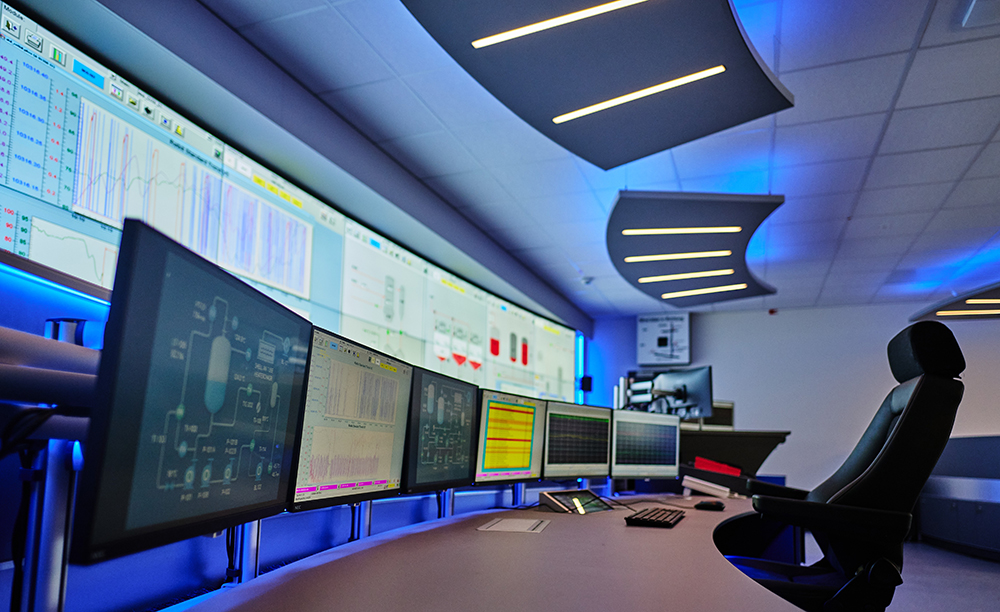
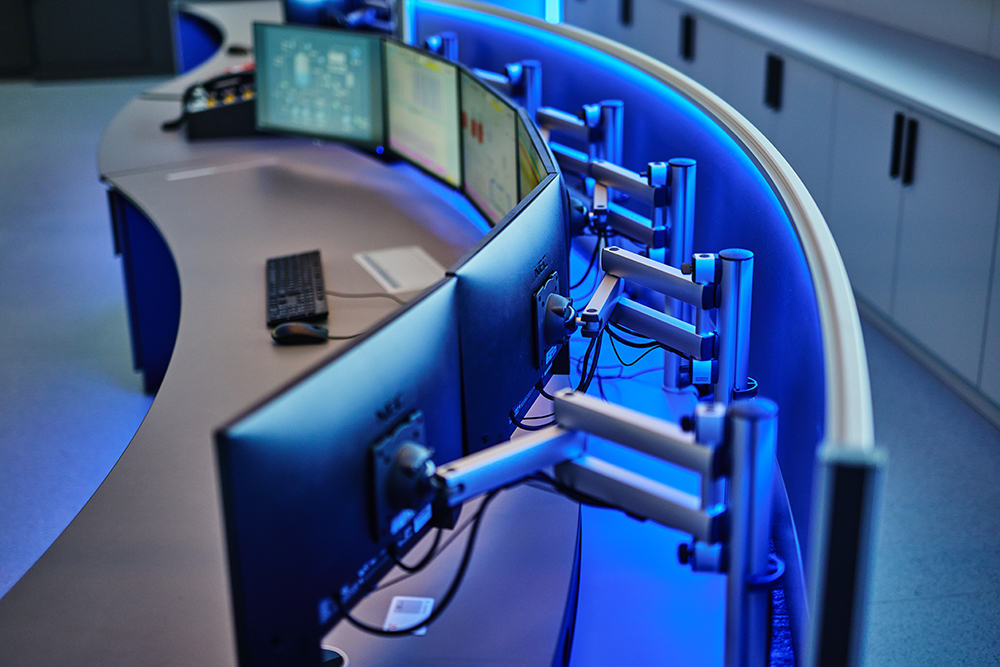
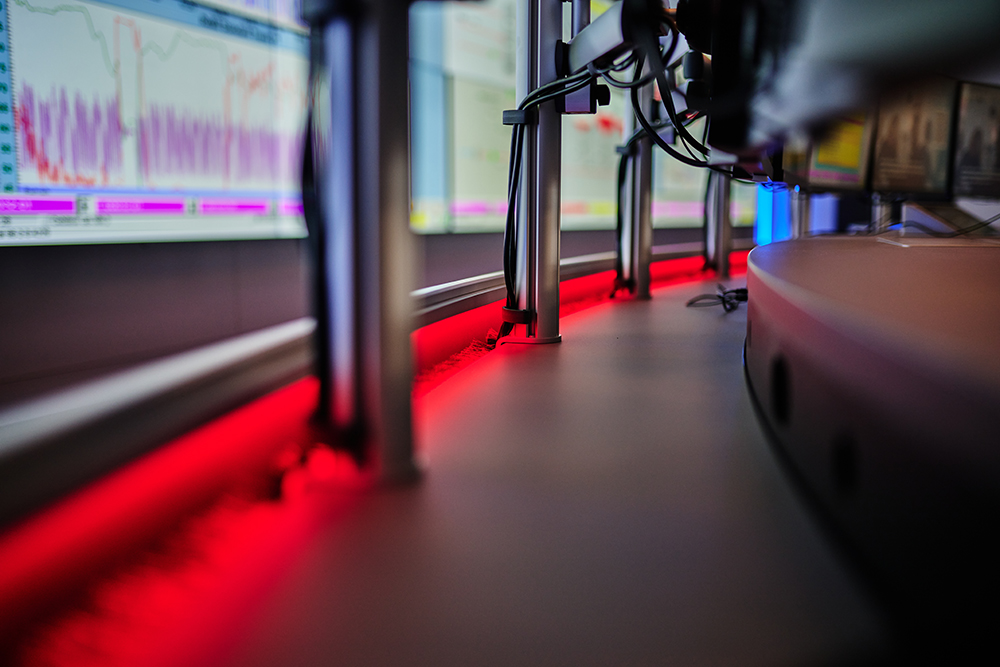
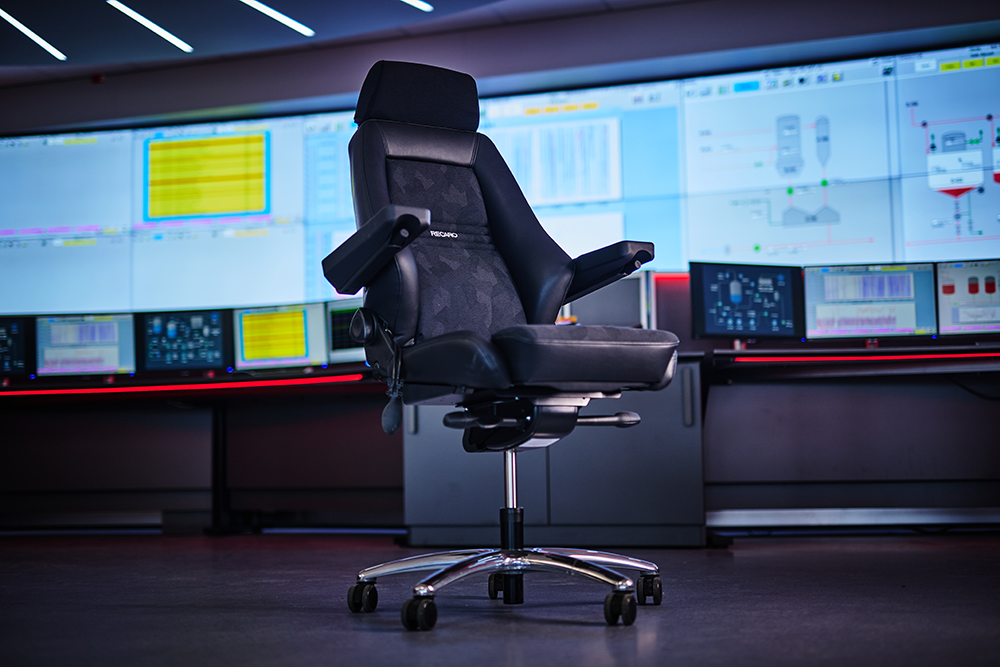
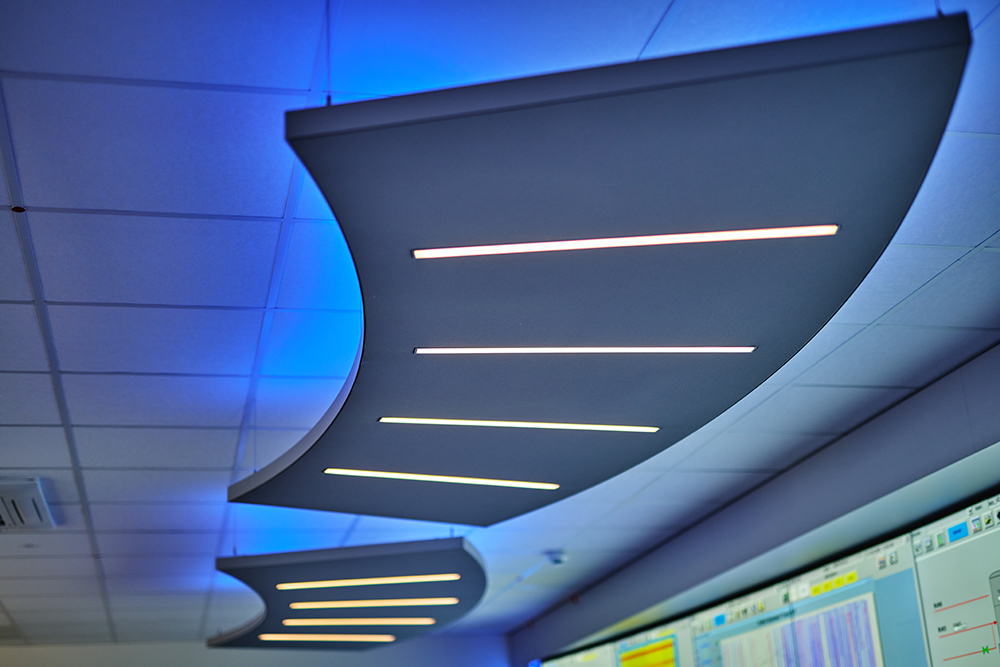
The visual transformation is equally remarkable: The control room with process control technology from the 1990s has been replaced by a new control room that consolidates information, streamlines workflows and sharpens the focus on what matters most. A large-scale video wall designed for continuous operation, the ergonomic, height-adjustable Stratos X11® control room console, OPAL X11® acoustic ceiling sails and custom-made functional furniture provide the foundation for this.
Making complex processes manageable
The Stade project is a prime example of how modern control room technology can help make multifaceted production processes manageable. Not by adding more personnel, but through systematic optimisation of the technical infrastructure, clear visualisation and a well-designed working environment. The result is a solution that meets the growing demands of industry – while keeping people at its center.




Our references today (selection)
A
B
C
E
H
I
M
N
P
R
S
- s.Oliver, Rottendorf
- SachsenEnergie, Dresden
- SAG, Berlin
- SAG, Nürnberg / Nürnberg Messe
- Salzgitter Flachstahl
- Senvion SE, Osterrönfeld
- SGL Carbon Group, Bonn
- SIEMENS
- SIEMENS, Wegberg
- Spenner, Erwitte
- Städtische Werke Magdeburg
- Stadtwerke Gießen
- Stadtwerke Ratingen
- Stadtwerke Schwerin, Kraftwerk Süd
- Stadtwerke Steinburg GmbH, Itzehoe
- Stadtwerke Wolfenbüttel
- Starlim Sterner, Marchtrenk
- STORAG ETZEL, Friedeburg
- Straßenverkehrsamt Frankfurt am Main
V
W
Unsere Referenzen (Archive)
